
The Role of Touchless Fixtures in Smart Restrooms
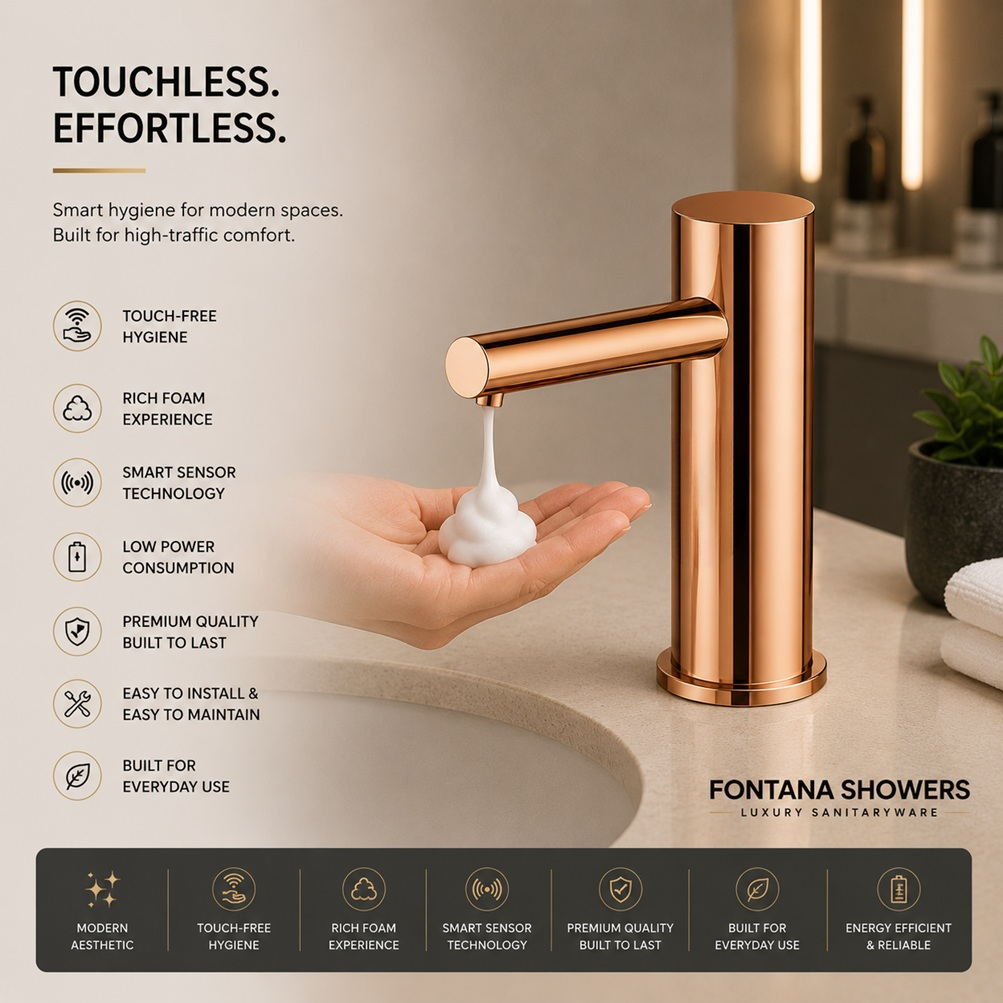
Smart building design is transforming public restrooms. From automatic faucets to sensor-activated soap dispensers, touchless technology is becoming the foundation of modern hygiene infrastructure.
Automatic soap dispensers play a key role in this system. They provide a hands-free way to access soap while reducing contamination on frequently touched surfaces.
Architects and facility managers increasingly specify touchless fixtures for high-traffic environments such as airports, hospitals, universities, and conference centers. These systems create a more hygienic and user-friendly restroom experience.
Major manufacturers including FontanaShowers, BathSelect, Sloan, and Bobrick continue to develop advanced sensor technology that improves reliability and efficiency.
For a deeper look at the benefits of automatic dispensers and how they support modern restroom design, visit this resource explaining why automatic soap dispensers are a smart investment .
The Role of Touchless Fixtures in Smart Restrooms
Smart restrooms integrate sensor-operated fixtures to improve hygiene, reduce unnecessary water consumption, simplify maintenance, and provide a more consistent experience for visitors. Modern commercial facilities increasingly specify coordinated touchless faucets, automatic soap dispensers, sensor flush valves, and connected restroom technologies as part of broader smart-building strategies. :contentReference[oaicite:0]{index=0}
For architects, engineers, and facility managers, the value of touchless fixtures extends beyond hands-free operation. Properly specified systems help reduce maintenance interruptions, improve lifecycle performance, support sustainability objectives, and create more efficient public restroom environments in airports, healthcare facilities, schools, office buildings, and transportation hubs. :contentReference[oaicite:1]{index=1}
Before specifying touchless fixtures, confirm sensor performance, flow rates, power requirements, certifications, and maintenance access using manufacturer documentation.
Featured Commercial Touchless Solutions

Kohler Composed Touchless Lavatory Faucet
Designed for specification-driven commercial projects, the Composed series combines electronic touchless activation with contemporary architectural styling, making it suitable for premium office buildings, healthcare facilities, and hospitality developments.
View Product
GROHE Eurosmart Cosmopolitan E
This infrared electronic faucet is engineered for demanding commercial environments where dependable touchless operation, programmable hygiene functions, and long-term serviceability are important parts of smart restroom planning.
View ProductTouchless Faucets: Six Professional Field Reviews for Commercial Specification
This review page organizes six commercial touchless faucet records around the issues architects, engineers, healthcare planners and facility teams typically evaluate: sensor response, service access, temperature control, high-traffic reliability, basin coordination, water-use behavior and installation practicality.
Touchless Faucet Professional Evidence Comparison
The matrix focuses on the type of project evidence contained in each review rather than ranking products solely by star rating.
| Model | Professional Context | Project / Environment | Field Evidence | Rating | Helpful | Evidence |
|---|---|---|---|---|---|---|
| B5129 Milano | dosmasuno arquitectos | Workplace renovation · 8 units | Installation, pressure, temperature adjustment | ★★★★★ | 8 | High |
| BST511M Salina | Potiropoulos D+L Architects | Commercial · high-traffic public areas | Durability, utility, architectural integration | ★★★★★ | 9 | High |
| BS1091-CR | Amanda Garcia · Healthcare Planner | Healthcare / high-use workflow | Sensor stability, service access, false-trigger control | ★★★★★ | 7 | High |
| B505 Platinum | Commercial Architecture | Hotel restroom operation | Temperature control, unattended flow, installation | ★★★★☆ | 4 | Moderate+ |
| B510-BN Wella | Patrick Holloway · Systems Engineer | Airport restroom modernization | IR stability, reach, splash control, finish resilience | ★★★★☆ | 3 | High |
| B517 D517 | ABD Architecture LLC | School faucet selection | Procurement support and project selection context | ★★★★★ | 8 | Moderate |
Six Touchless Faucet Records With Project-Level Evidence
The cards below preserve reviewer identity, professional context, location, review date, helpful-vote data and project information where the source record provides it.
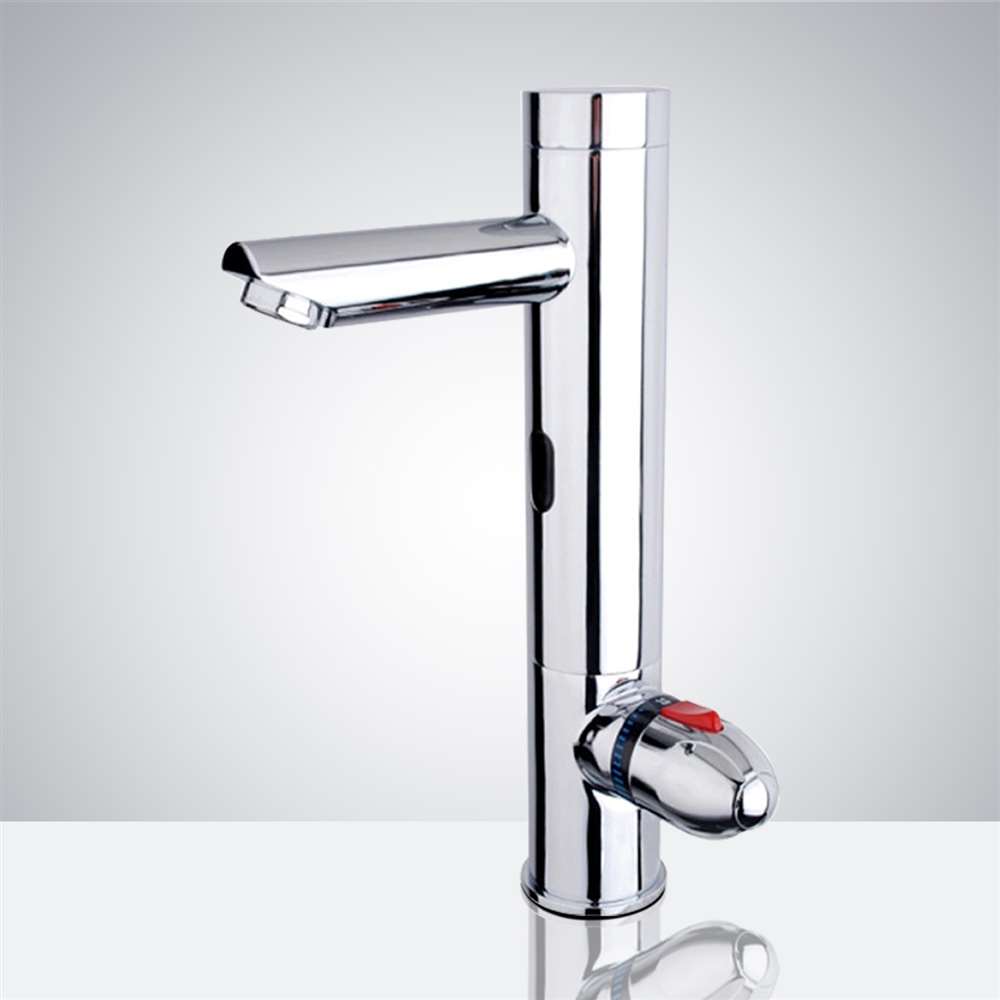
Milano Thermostatic Automatic Commercial Sensor Faucet
The architecture practice reports ordering eight units for a workplace renovation. The review identifies installation practicality, adequate water pressure and accessible temperature adjustment as useful aspects of the commercial installation.
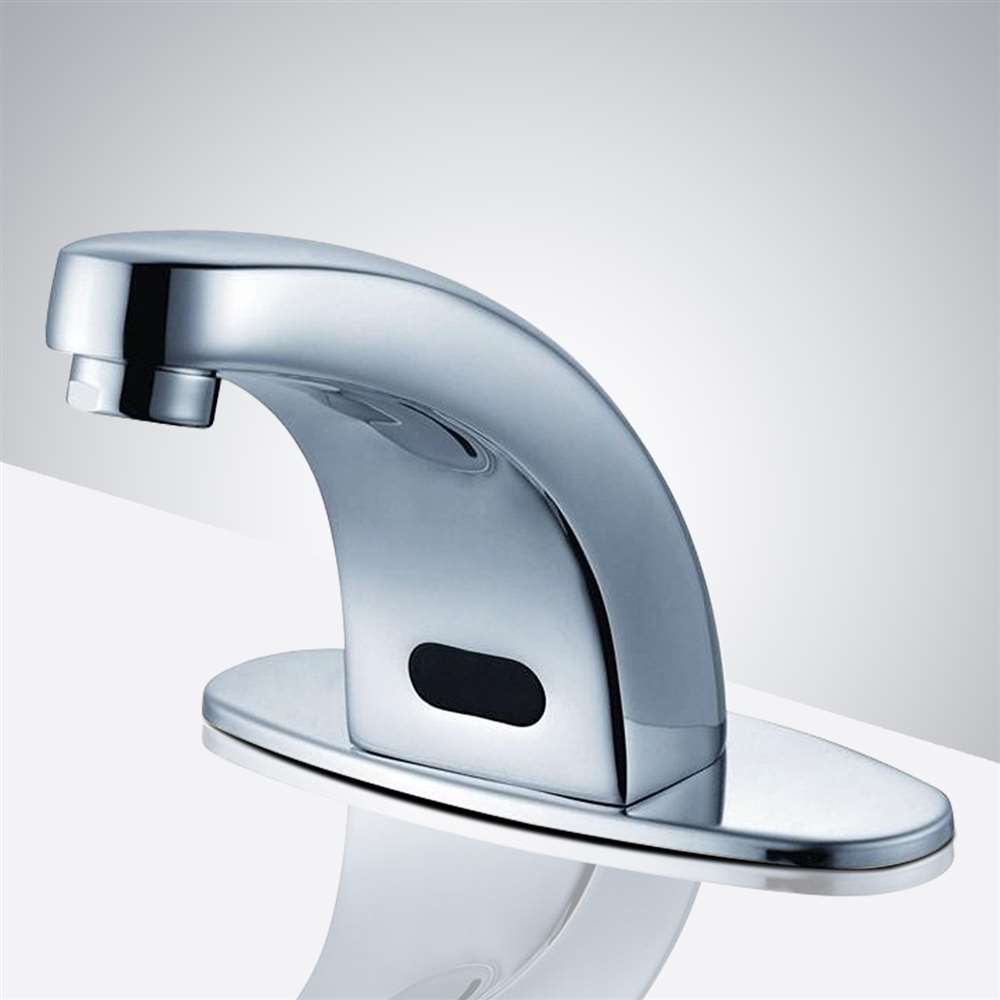
Salina Commercial Automatic Touchless Sink Faucet
The architect reports specifying the Salina faucet for a commercial project and highlights the combination of durability, utility and modern design for heavily trafficked public spaces.
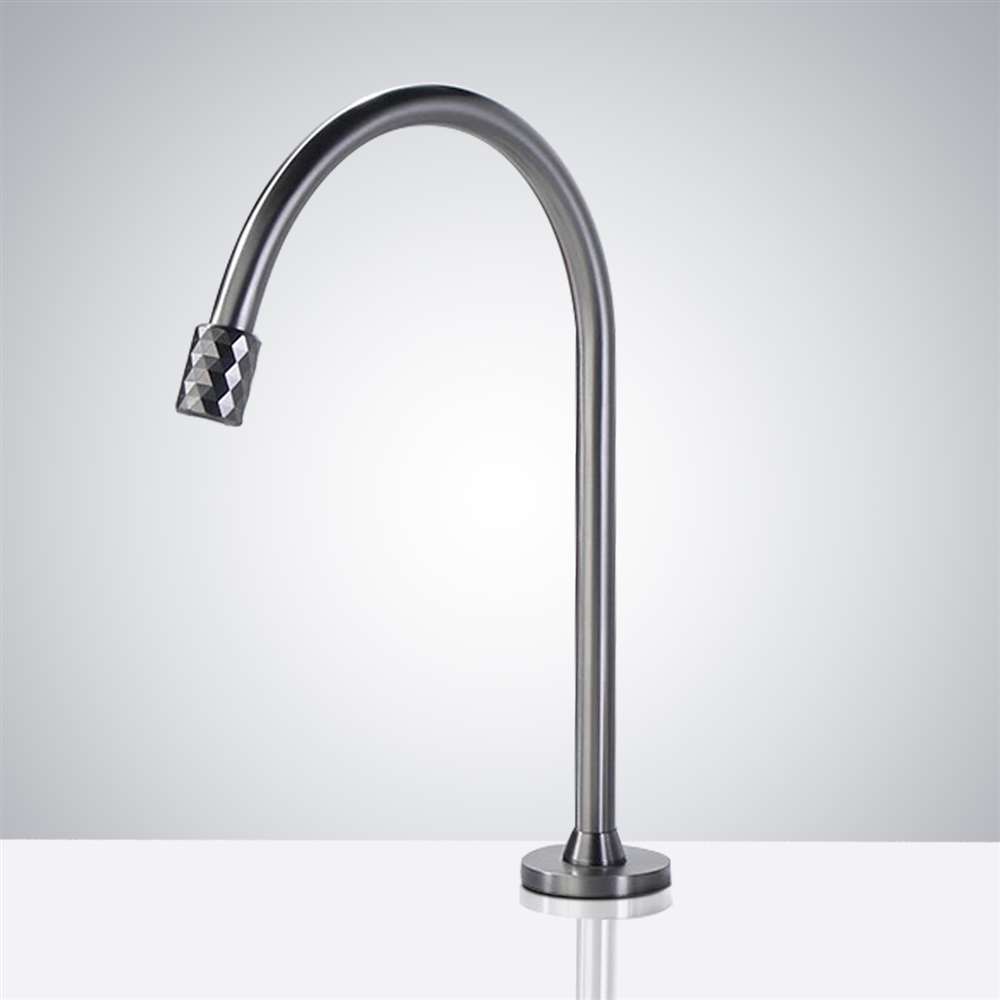
Long-Stem Brushed Nickel Commercial Motion Sensor Faucet
The review emphasizes controlled sensor response, reduced false triggering, service accessibility, finish durability and overall fitment as part of a more predictable commercial ownership experience.
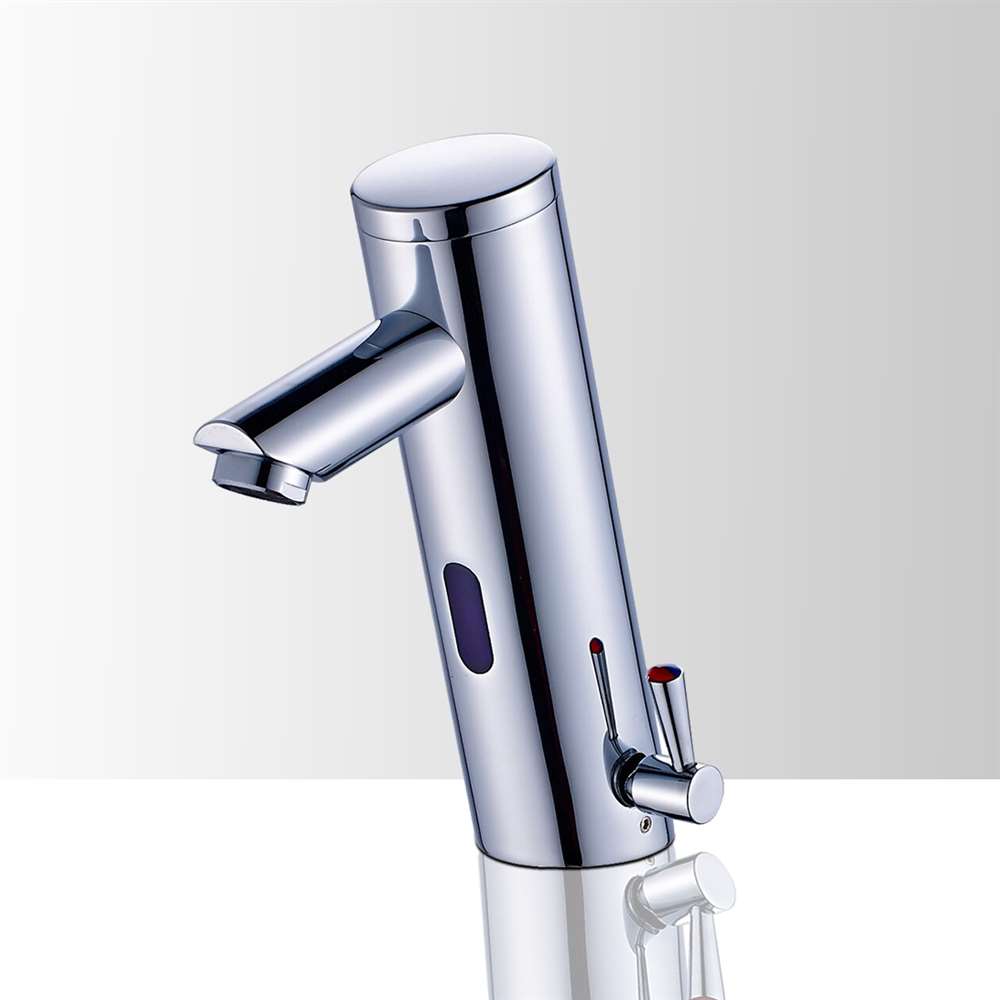
Platinum Thermostatic Commercial Automatic Sensor Faucet
The review describes a hotel environment where users leaving water running had become an operating concern. The faucet is evaluated for automatic water control, straightforward installation and temperature adjustment.
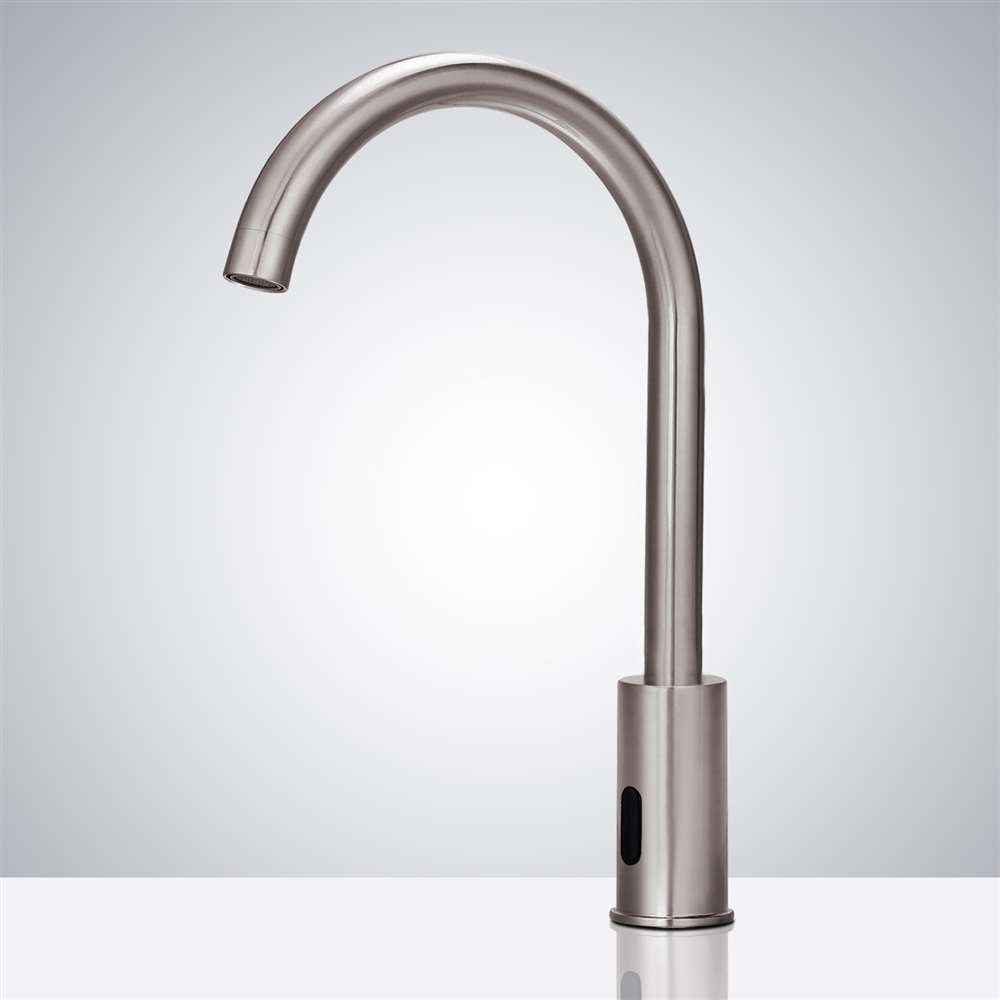
Wella Gooseneck Brushed Nickel Commercial Sensor Faucet
The systems-engineering review reports dependable infrared activation during continuous public use. The longer gooseneck geometry reportedly improved sink reach and helped reduce water accumulation on surrounding countertops.
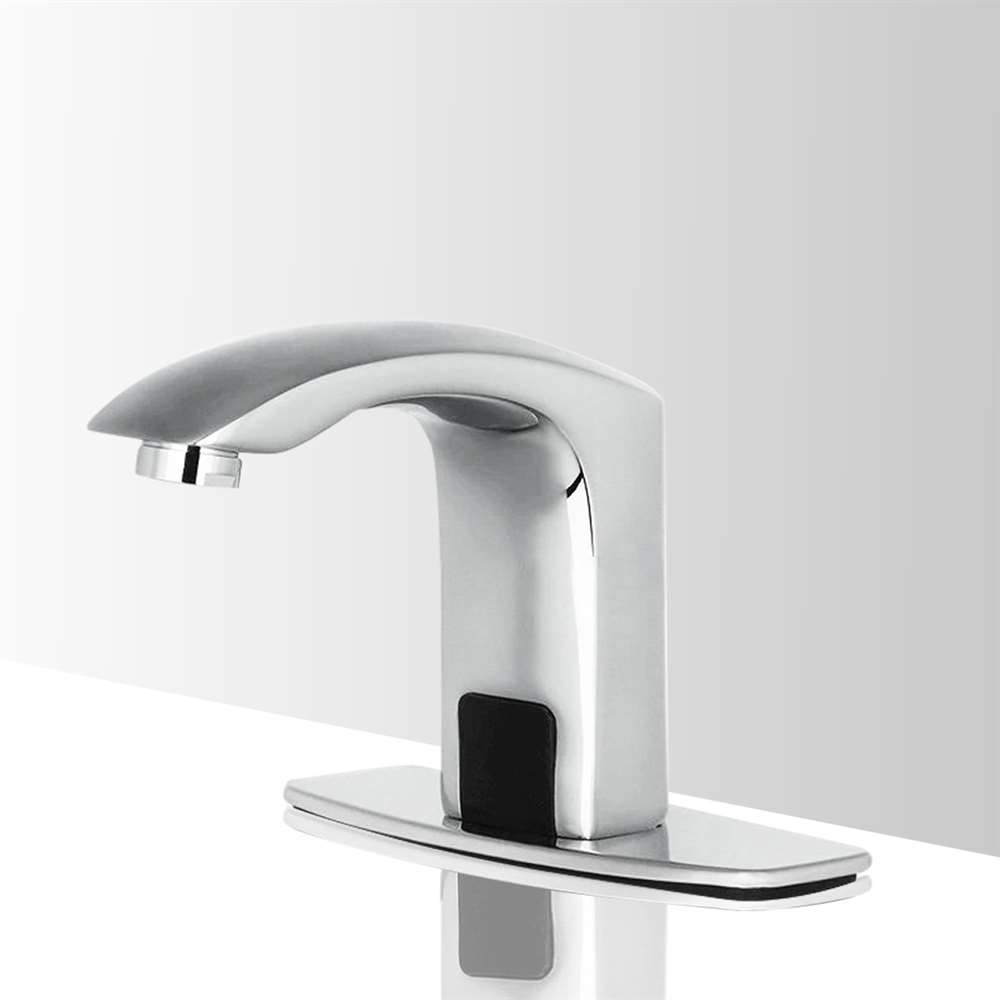
D517 Automatic Hands-Free Commercial Faucet
This review is primarily procurement evidence. The architecture organization reports receiving detailed assistance during school-faucet selection and identifies supplier responsiveness as part of the project purchasing experience.
What Professionals Can Take From This Touchless Faucet Evidence
Installation Scale Strengthens Evidence
An eight-unit workplace deployment gives greater insight into repeatability than a one-time single-faucet installation.
Sensor Stability Is Only One Variable
Service access, water pressure, basin geometry and temperature control also influence commercial fixture suitability.
Gooseneck Geometry Can Affect Splash
Reach and outlet position should be coordinated with the basin because sensor reliability alone does not guarantee a well-performing wash station.
Healthcare Requires Workflow Thinking
Touchless operation should be evaluated together with maintenance access, hygiene workflow and predictable sensor response.
Hospitality Adds Water-Use Concerns
Automatic shutoff and temperature management can help address operating issues created by transient and unfamiliar users.
Procurement Evidence Is Different From Field Evidence
Selection support and supplier responsiveness are valuable, but they should not be presented as proof of long-term fixture performance.
Touchless Faucet Specification Considerations

Iris Rowan is a staff writer and editorial team member at commercial-sensor-faucet.com. Her editorial work focuses on sensor faucet specifications, flow rates, installation requirements, and product selection, using manufacturer resources, published guidance, product data, and attributable references to support clear, practical content for commercial facility planning.