Designing High-Performance Touchless Infrastructure for Modern Facilities
This article takes a systems-level approach to touchless faucet specification, focusing on how engineering decisions influence long-term performance across high-demand environments.
For reliable touchless performance, facility teams should evaluate sensing, durability, water efficiency, and serviceability as one integrated system.
Understanding Touchless Systems as Infrastructure
In commercial environments, touchless fixtures are no longer viewed as accessories. They function as part of a building’s operational backbone. Their reliability directly impacts user flow, hygiene, and maintenance efficiency.
- Designed for continuous operation
- Integrated into facility systems
- Critical to hygiene workflows
- Expected to perform without interruption
Read More
Unlike residential fixtures, commercial touchless systems must withstand constant activation cycles. This shifts the design priority toward durability, sensing accuracy, and long-term serviceability rather than aesthetics alone.
Core Engineering Principles
- Advanced sensing for stable activation
- Flexible power architecture
- Water efficiency without pressure loss
- Durable materials for long lifecycle
Read More
Engineering decisions at the component level—such as solenoid design, sensor calibration, and material selection—determine whether a system performs consistently under stress.
Performance Across Environments
High-Traffic Spaces
- Rapid response sensing
- High cycle durability
- Minimal downtime
Hygiene-Critical Facilities
- Hands-free operation
- Controlled water delivery
- Reduced splash potential
Read More
Each environment introduces different challenges. Airports and stadiums require speed and durability, while healthcare settings prioritize hygiene and precision control.
Specification Comparison Table
| Factor | Standard Fixtures | Infrastructure-Grade Systems |
|---|---|---|
| Durability | Moderate | High-cycle engineered |
| Sensor Reliability | Variable | Consistent across environments |
| Maintenance | Frequent | Reduced intervention |
Why System-Level Thinking Matters
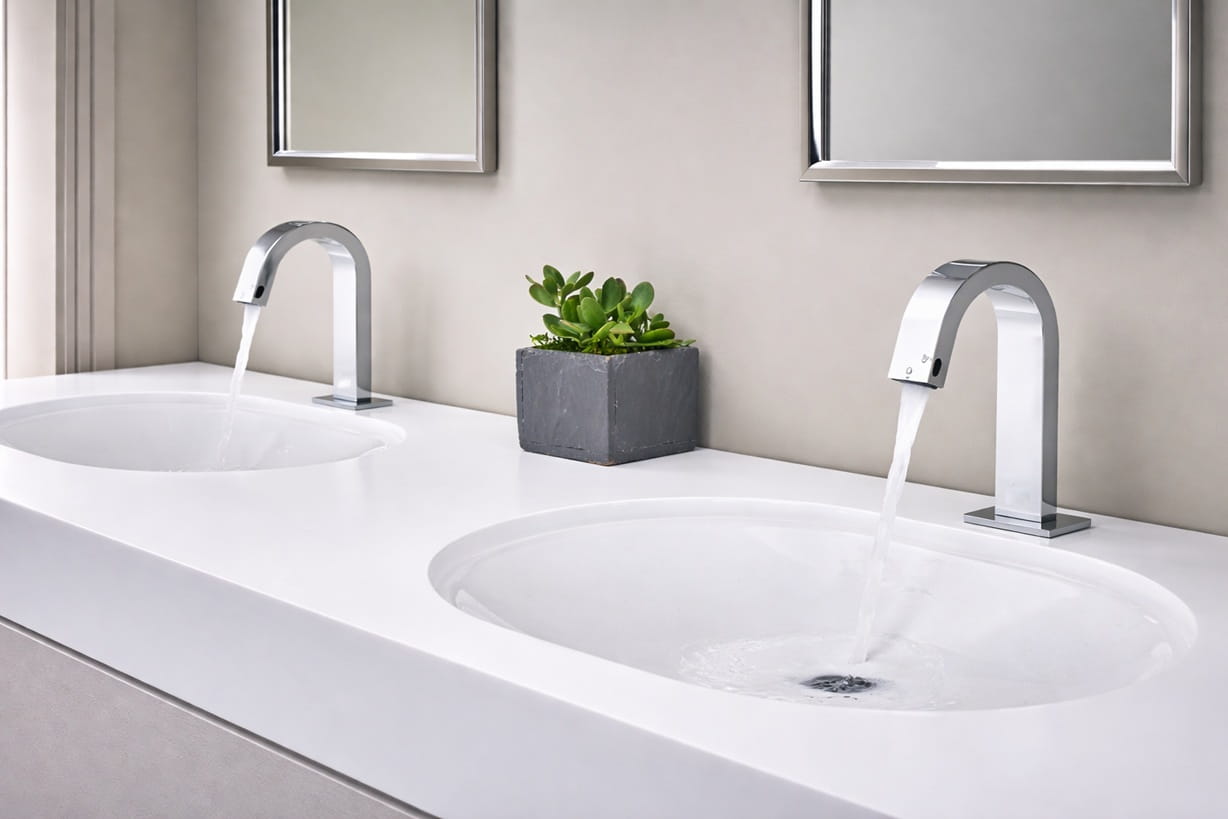
Viewing touchless fixtures as isolated components often leads to performance gaps. A system-level perspective ensures alignment between water delivery, user interaction, and facility maintenance.
Read More
This approach improves reliability, simplifies servicing, and enhances the overall user experience across different building types.
Conclusion
Touchless technology performs best when designed as part of a broader infrastructure strategy. The right combination of sensing, durability, and system integration defines long-term success in demanding environments.
High-Performance Touchless Infrastructure Reference Library
Authoritative touchless fixture manufacturers, plumbing engineering organizations, smart-building resources, commercial restroom design authorities, hygiene technology specialists, and facility-management associations used to evaluate high-performance touchless infrastructure for modern facilities, including sensor reliability, smart monitoring, water efficiency, hygiene outcomes, maintenance optimization, and lifecycle performance.
Touchless Faucets: Six Additional Professional Reviews for Commercial Restroom Projects
This review set examines six additional touchless faucet configurations selected for their project, professional, installation and operational evidence. The focus is on sensor stability, water control, basin coordination, service access, finish resilience and long-term performance in commercial restroom environments.
Touchless Faucet Field-Performance Comparison
The matrix highlights the specific type of evidence each record adds, including installation scale, sensor behavior, finish performance, maintenance access, calibration and hydraulic operation.
| Model | Reviewer / Organization | Professional Signal | Project Context | Primary Evidence | Rating | Strength |
|---|---|---|---|---|---|---|
| BS1094-RB | Parker Brooks | Building Inspector | Hospitality + executive lounges · 15 units | IR stability, finish aging, shutoff timing | ★★★★☆ | Very Strong |
| BS10012-B | Superior Structures, Inc. | Commercial Construction | Hotel restrooms | Installation, motion sensing, commercial operation | ★★★★★ | Strong |
| BS10012-BG | Rebecca Monroe | Design Specialist | High-traffic commercial use | Mode transitions, false triggering, finish durability | ★★★★☆ | Very Strong |
| B5136BN-SF | Patrick Holloway | Systems Engineer | Public restroom retrofits | Sensor timing, pressure variation, recalibration | ★★★★★ | Very Strong |
| B5136BG-SF | NorthPoint Architects | Architecture Organization | University campus upgrade | Water conservation, deck mounting, IR response | ★★★★★ | Very Strong |
| B5136BG | Summit Ridge Commercial Interiors | Commercial Interiors | Mixed-use development | Documentation, installation, sensitivity adjustment | ★★★★☆ | Very Strong |
Six Additional Touchless Faucet Reviews for Professional Evaluation
Each record below was selected because it provides identifiable commercial project, professional, installation or operational context.
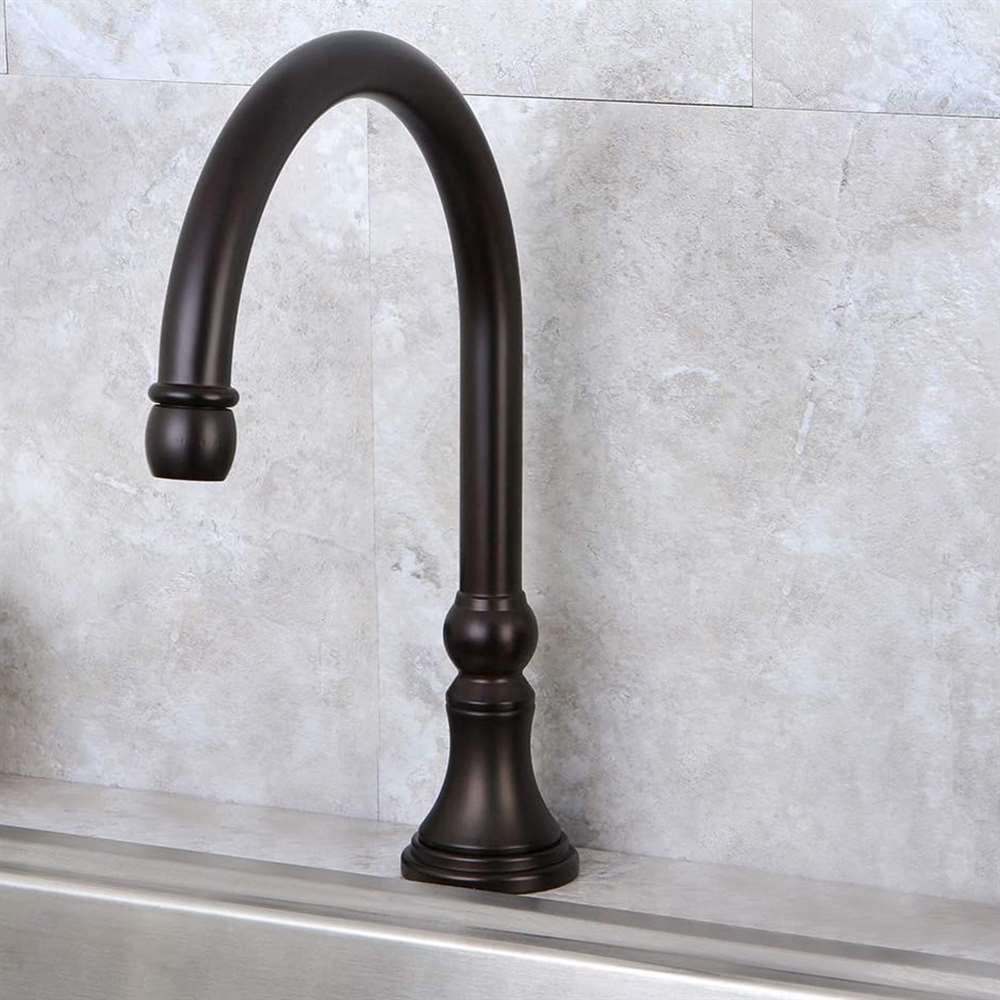
Commercial Gooseneck Oil-Rubbed Bronze Automatic Sensor Faucet
The review documents fifteen oil-rubbed-bronze commercial faucets installed across hospitality and executive-lounge renovations. Reported observations focus on infrared stability, changing lighting, deep basin configurations, cleaning exposure, finish aging and shutoff timing during continuous guest use.
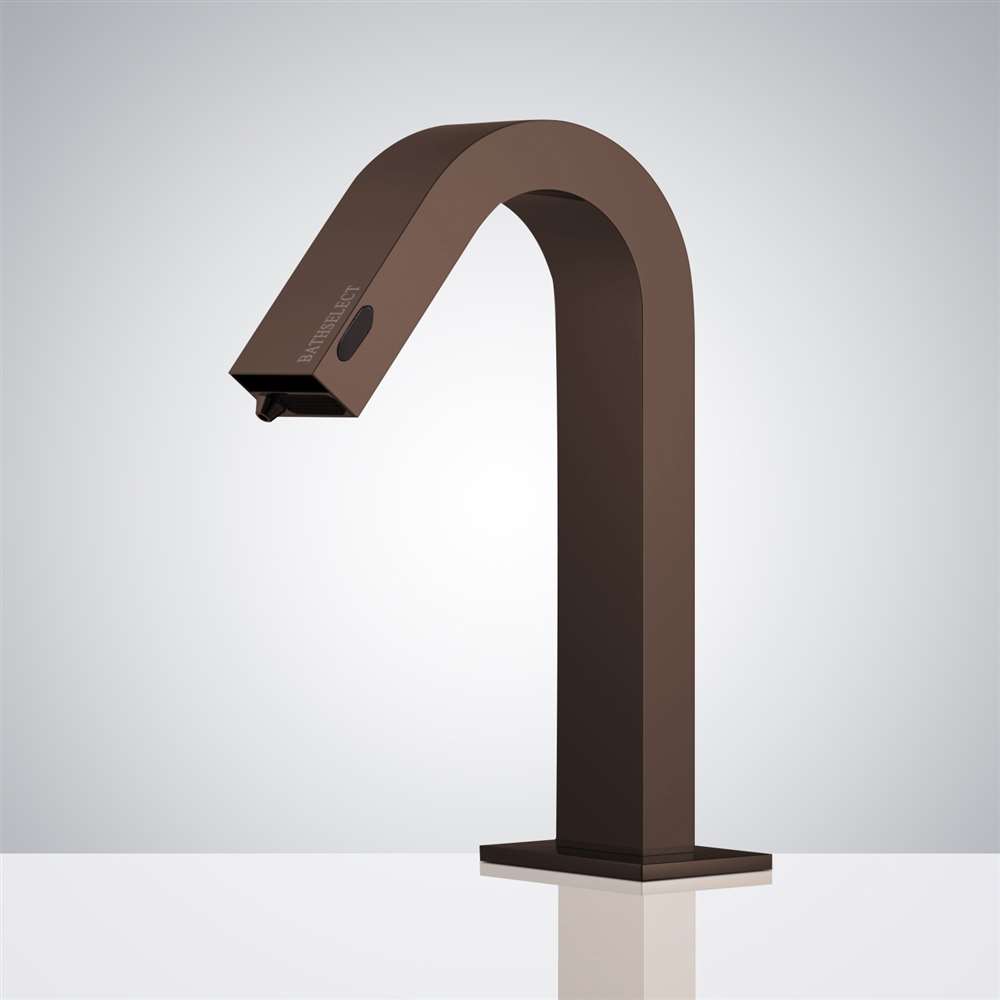
Dual-Function Automatic Deck-Mount Touchless Faucet
The construction review reports straightforward installation and reliable motion sensing after deployment in hotel restrooms. The record also notes continued operation after installation rather than judging the fixture from packaging or appearance alone.
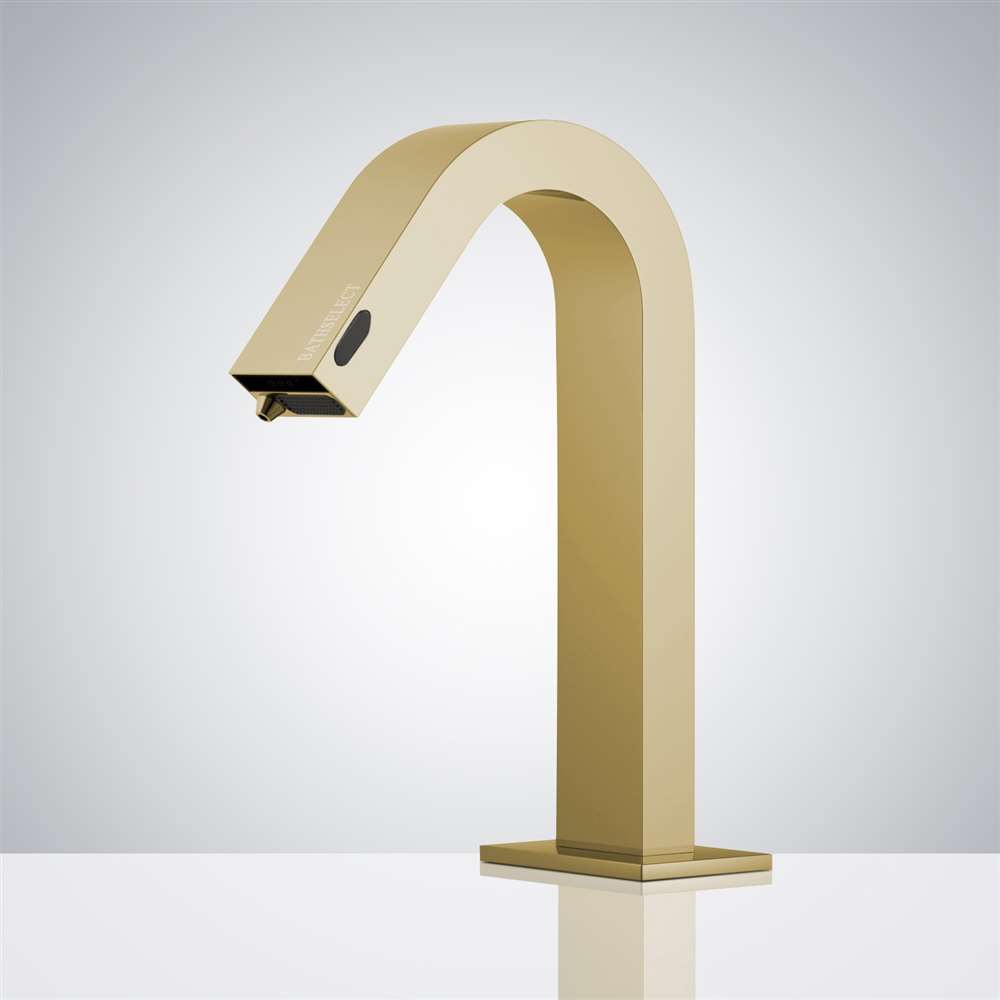
Brushed Gold Dual-Function Automatic Sensor Faucet
The reviewer compares the system against earlier dual-function fixtures that developed delayed switching and inconsistent shutoff behavior. The newer installation maintained responsive activation, stable mode transitions and better finish resistance during continuous commercial use.
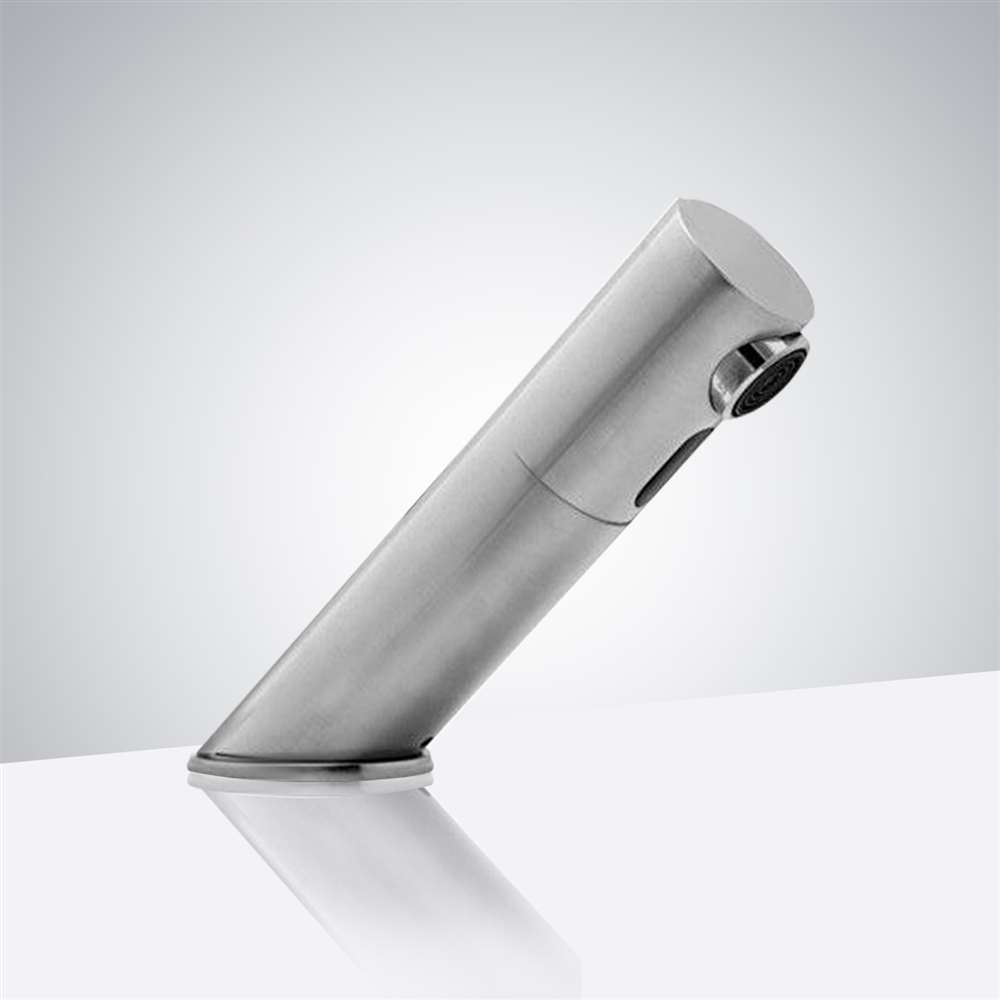
Cancun Brushed Nickel Commercial Automatic Sensor Faucet
The systems-engineering review reports dependable sensor timing during rapid high-traffic use and stronger finish performance under commercial cleaning. It also notes reduced recalibration despite changes in water pressure and ambient lighting conditions.
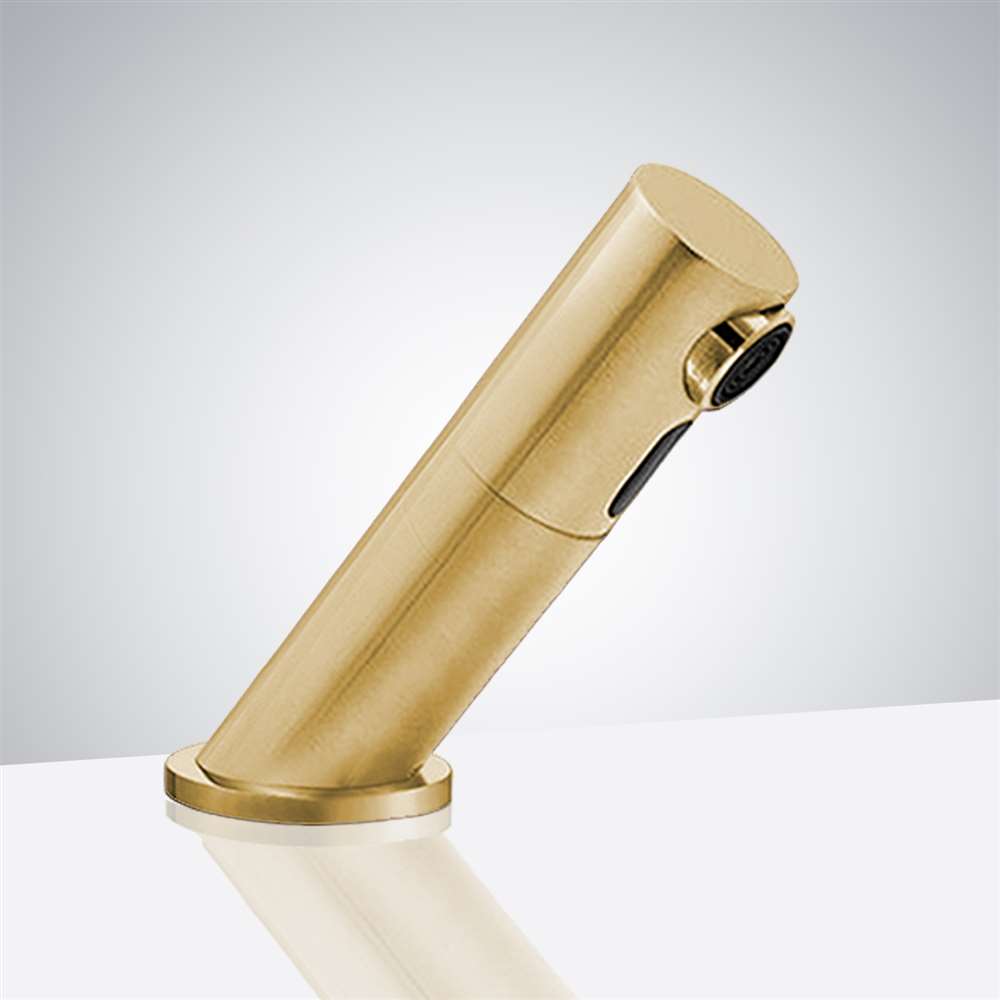
Brushed Gold Contemporary Commercial Sensor Faucet
The architectural review describes a university campus upgrade where contractors valued simplified deck mounting and compatibility with existing plumbing. The record also notes dependable infrared response and automatic shutoff as part of the project’s water-management goals.
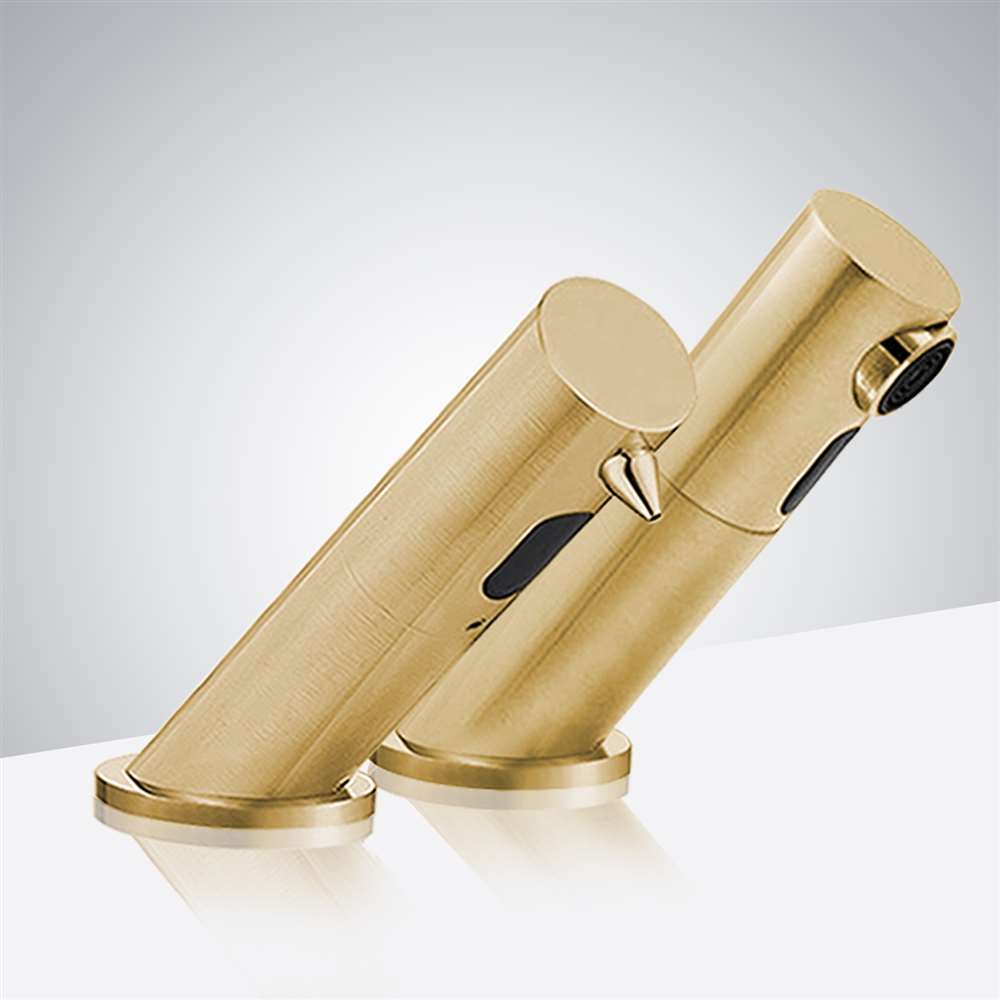
Contemporary Brushed Gold Automatic Commercial Sensor Faucet
The fixture was specified for a mixed-use development where the project team requested technical documentation and installation guidance before setup. After a minor sensitivity adjustment, the review reports consistent weekday operation without lag or leakage over approximately six months.
What This Touchless Faucet Evidence Means for Professional Teams
Sensor Calibration Is Environmental
Lighting, reflective finishes, dark countertops and basin depth can change detection behavior. Commissioning should occur after the full wash-station assembly is complete.
Multi-Unit Evidence Has More Weight
A fifteen-unit hospitality deployment provides stronger evidence about repeatability and maintenance than a single recently installed faucet.
Hydraulic and Sensor Systems Interact
Pressure variation, valve timing and electronic sensing should be evaluated together because commercial faucet performance depends on all three.
Finish Durability Is Operational
Oil-rubbed bronze, brushed gold and brushed nickel fixtures face daily cleaning exposure. Finish selection should reflect maintenance conditions as well as design intent.
Installation Documentation Matters
Technical sheets, mounting information and commissioning guidance can reduce field uncertainty and help contractors complete installation with fewer adjustments.
Water Conservation Depends on Control
Automatic shutoff, controlled flow and dependable activation can support water-management goals when the faucet is properly coordinated and commissioned.
Touchless Faucet Professional Decision Matrix

Iris Rowan is a staff writer and editorial team member at commercial-sensor-faucet.com. Her editorial work focuses on sensor faucet specifications, flow rates, installation requirements, and product selection, using manufacturer resources, published guidance, product data, and attributable references to support clear, practical content for commercial facility planning.