How MEP Engineers Reduce Downtime Through Smart Fixture Selection
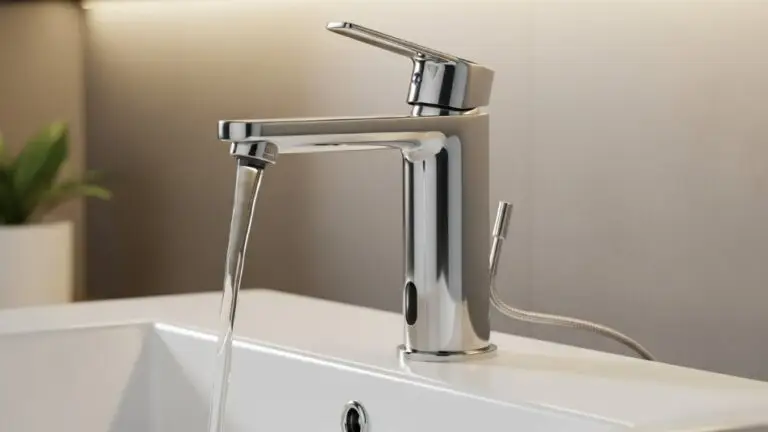
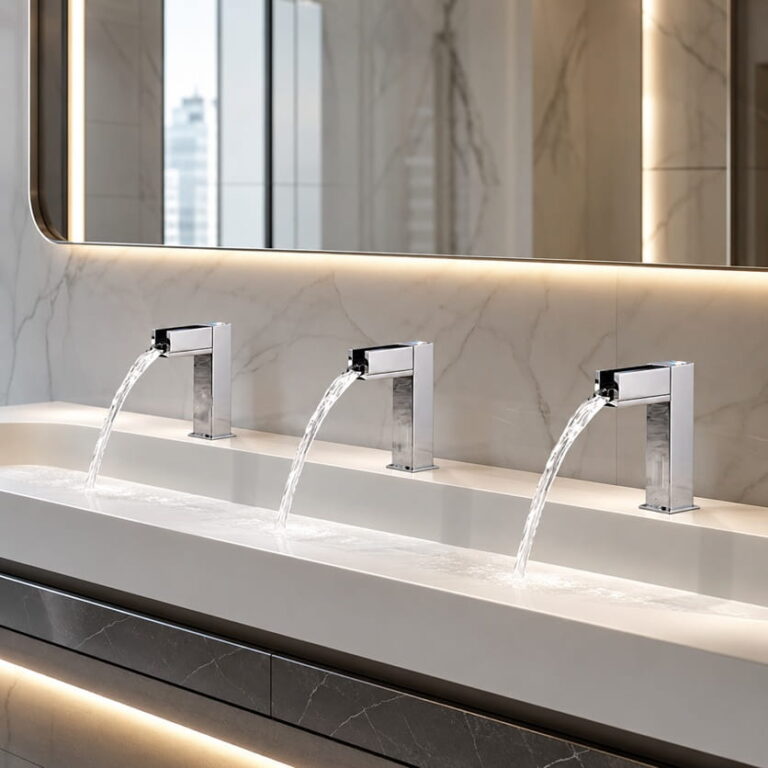
Durable touchless restroom technology can help MEP engineers minimize service interruptions, simplify troubleshooting and protect operating capacity in stadiums, arenas, theaters and other heavily occupied public venues. The strongest fixture specification is not merely touchless—it is serviceable, repeatable, accessible and coordinated with the building systems surrounding it.
Restroom Downtime Is an Infrastructure Problem, Not Simply a Faucet Problem
In a heavily occupied building, an unavailable faucet is more than a minor maintenance inconvenience. Every inactive handwashing station reduces usable restroom capacity. During stadium halftime, theater intermission, convention breaks or post-event departure periods, several small fixture failures can combine into longer queues and greater pressure on neighboring stations.
MEP engineers can reduce that exposure before construction begins by evaluating the complete fixture assembly rather than only the visible faucet. Sensor behavior, solenoid access, power distribution, water isolation, basin geometry, flow control and replacement-part strategy all influence how quickly a station can be returned to service.
Read More: Why fixture serviceability belongs in the design phase
A visually appropriate fixture can still create operational problems when its solenoid is buried behind permanent millwork, a transformer is inaccessible, or several faucets depend on a single isolation arrangement. In those cases, a component failure can become a restroom-zone shutdown rather than a localized repair.
Smart fixture selection therefore means selecting a system that can fail gracefully. Engineers should determine how technicians access the sensor, controller, power source, strainer, flow control and shutoff components before counters, walls and access panels are finalized.
For large venues, maintenance access should be documented with the same discipline applied to piping routes and electrical pathways. The objective is not to eliminate maintenance. It is to make maintenance predictable, contained and fast.
High-Capacity Venues Put Restroom Infrastructure Under Concentrated Demand
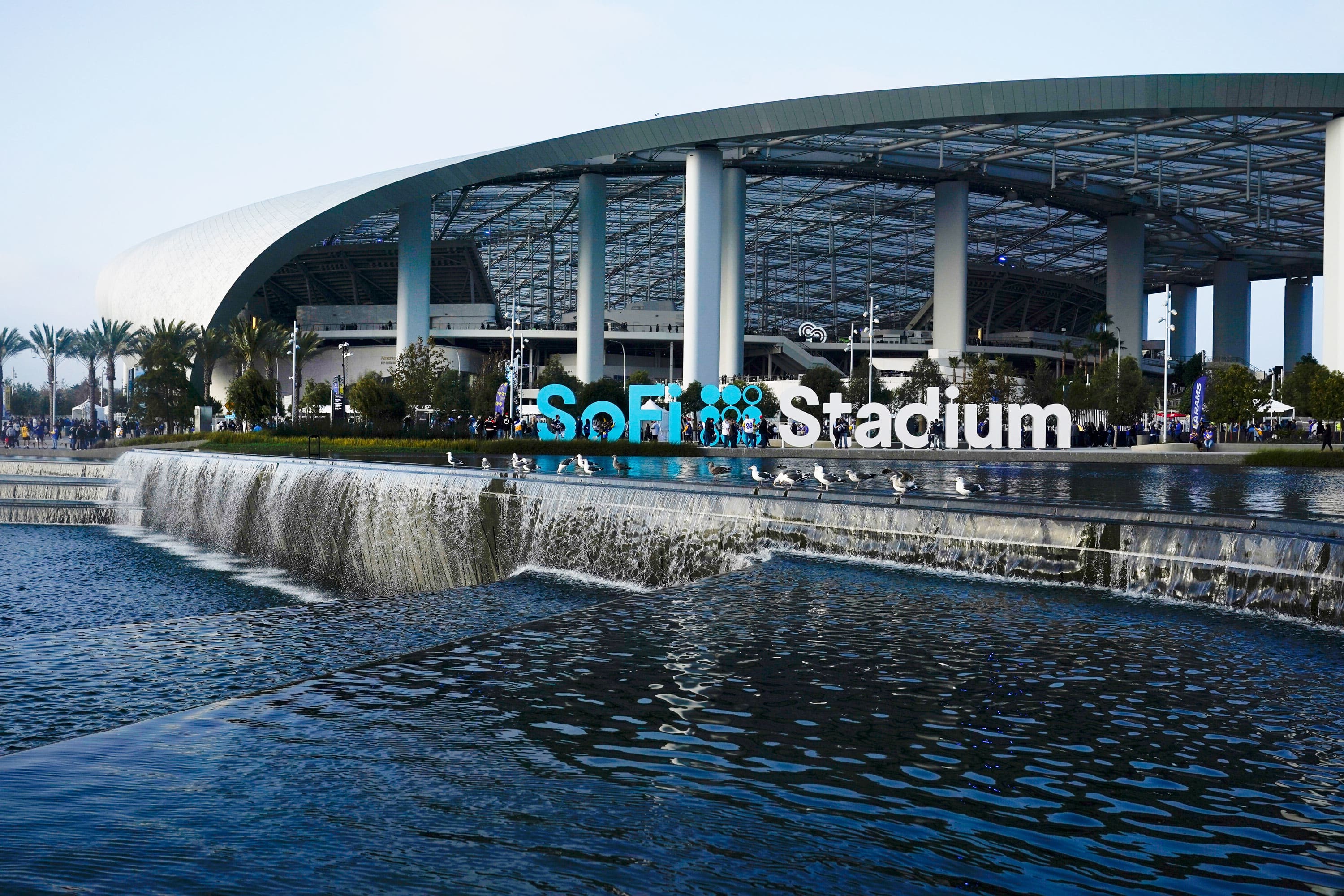
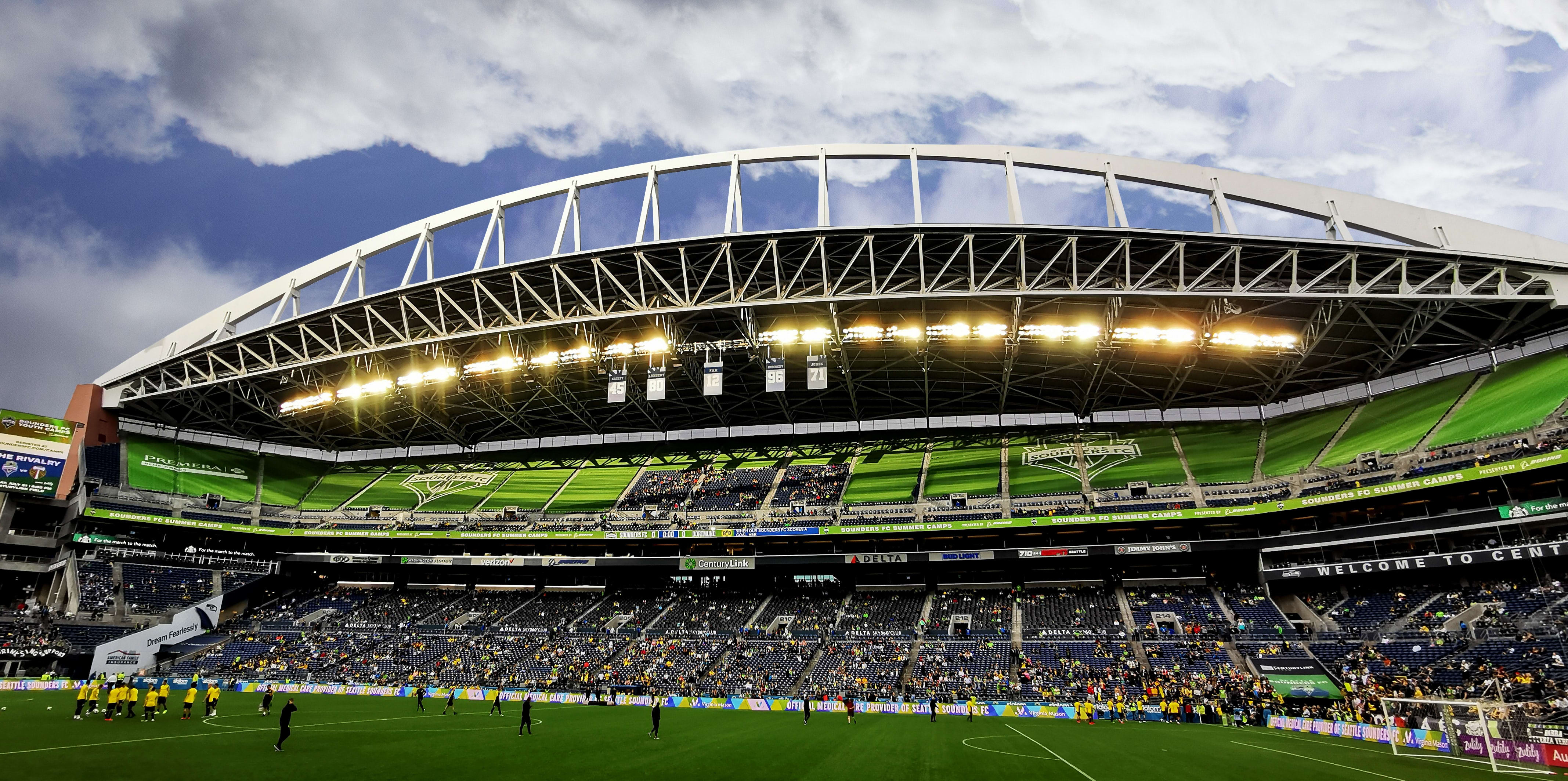
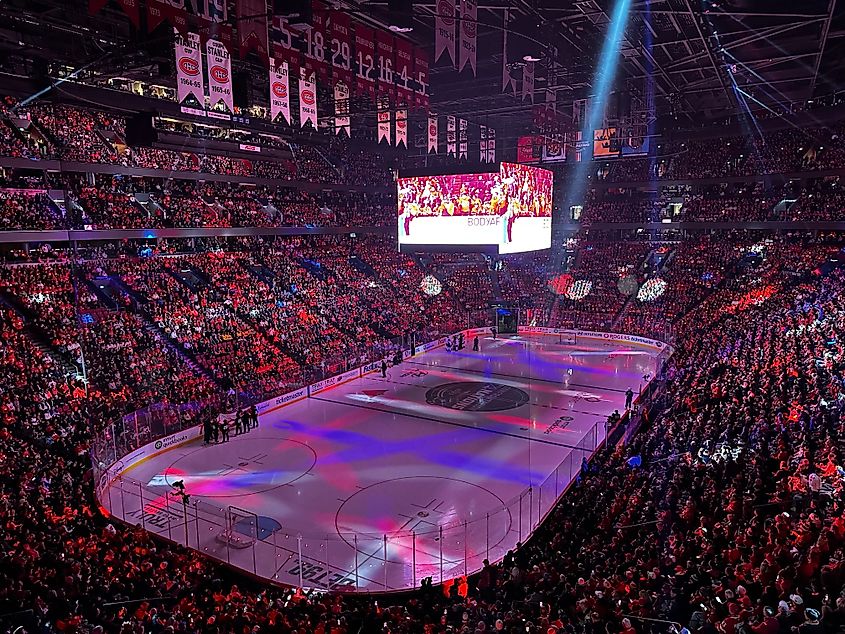
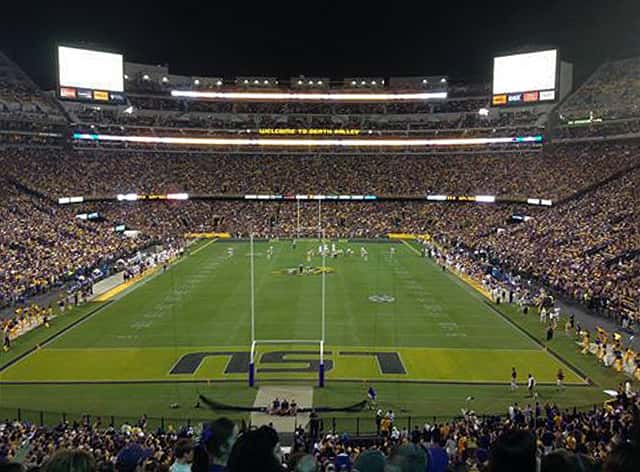
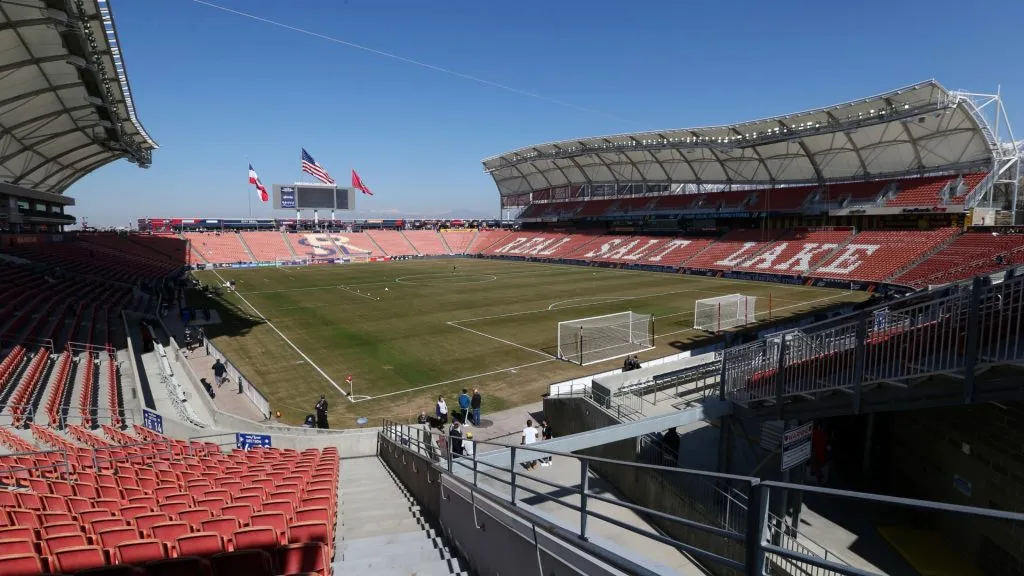
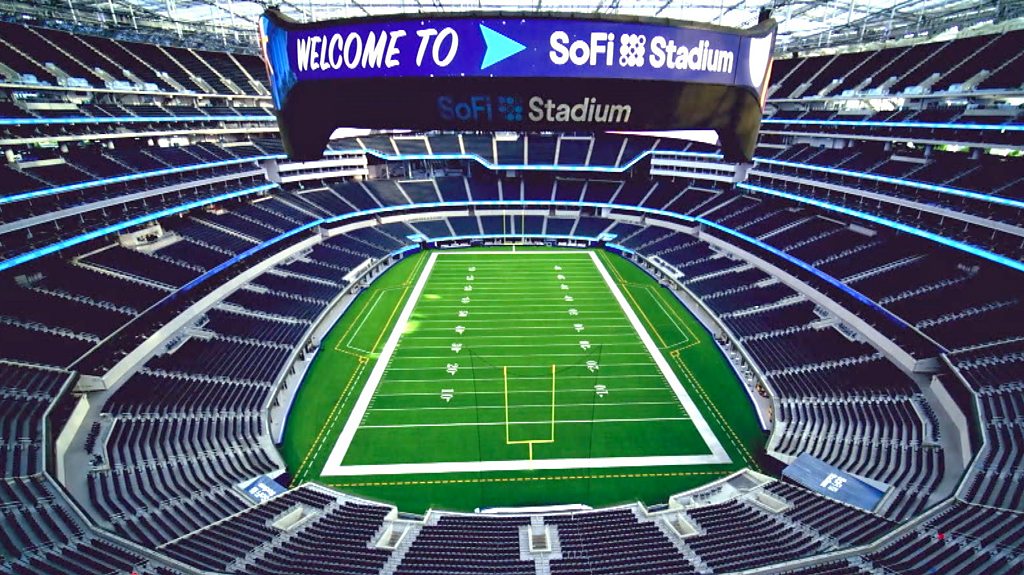
Large stadiums and arenas illustrate why fixture uptime must be evaluated against peak operating conditions. The design problem is not simply total daily attendance; it is the compression of thousands of restroom visits into short intervals before, during and immediately after events.






Where Avoidable Fixture Downtime Usually Begins
Service interruptions frequently originate from coordination decisions rather than dramatic product failures. Engineers can review these conditions during design development, submittal review, mockup evaluation and commissioning.
| Potential Failure Point | Operational Effect | MEP Design Response |
|---|---|---|
| Inconsistent sensor detection | Repeated user attempts, nuisance complaints and unintended activation. | Coordinate sensing with basin geometry, spout projection, mirrors, lighting and user approach. |
| Inaccessible solenoid or controller | Minor component replacement becomes a long or destructive service operation. | Provide accessible service panels and adequate component-removal clearance. |
| Poorly coordinated power source | Battery, transformer or circuit issues create preventable fixture outages. | Document exact power configuration and service location for the selected SKU. |
| Oversized isolation zones | One fixture repair disables several otherwise operational stations. | Provide logical local isolation wherever practical. |
| Construction debris or scale | Strainers, aerators and valves experience early restriction or erratic operation. | Require supply flushing and fixture commissioning before final acceptance. |
| Excessive model variation | Parts inventory and diagnostic complexity increase. | Standardize service platforms across comparable restroom zones. |
| Poor basin coordination | Splash and user complaints may be incorrectly attributed to faucet malfunction. | Mock up faucet reach, stream landing, basin depth and actual pressure. |
| Incomplete closeout records | Simple repairs take longer because parts and settings cannot be identified. | Provide room-specific schedules, diagrams, settings and replacement information. |
Eight Fixture-Selection Decisions That Protect Restroom Uptime
Durable materials matter, but durability alone does not create a maintainable restroom. Engineers should evaluate how each fixture interacts with water, electrical infrastructure, architectural finishes and long-term service procedures.
Separate Durable Components From Serviceable Components
The visible faucet body may remain installed for years while batteries, sensors, seals, flow controls, solenoids and electronics operate on different maintenance cycles.
Read More
Specifications should distinguish between the long-life fixture body and components expected to require inspection or replacement. Engineers should determine whether those components can be removed independently and whether replacement requires countertop removal, wall disturbance or access to unrelated systems.
Maintenance cannot be eliminated, but unnecessary disruption can. A fixture that allows technicians to replace the affected component while leaving the surrounding restroom operational provides greater lifecycle resilience.
Coordinate Sensor Performance With the Actual Basin
Reliable sensing supports user throughput by producing predictable activation without forcing occupants to search for the detection zone.
Read More
Detection performance should not be reviewed in isolation from the finished wash station. Basin depth, faucet projection, backsplash materials, nearby accessories, mirror reflectivity and lighting conditions can influence real-world operation.
Representative mockups should be evaluated after architectural finishes are established. Stable activation and automatic shutoff reduce repeated hand motions, nuisance complaints and unintended water use.
Resolve Power Strategy Before Walls and Counters Close
Touchless faucets are plumbing fixtures with electrical requirements, so power coordination must occur before inaccessible construction is complete.
Read More
Hardwired power may reduce recurring battery work in large new-construction programs when transformers, circuits and service access are coordinated early. Battery configurations may remain practical in renovations where additional wiring would create disproportionate disruption.
The project documents should identify the actual configuration intended for each selected model, together with the location of transformers, battery packs, adapters and other serviceable components.
Design for Local Isolation Instead of Large-Area Shutdowns
Resilient restroom infrastructure should permit a small component problem to remain a small operational problem.
Read More
Where practical, a technician should be able to isolate one fixture or a manageable group without disabling an entire wash station. This becomes especially important in stadiums and theaters where public restroom capacity cannot easily be replaced during an event.
Shutoff locations should remain accessible and understandable. Maintenance personnel should not have to choose between leaving a faulty fixture active and closing a large section of the restroom.
Protect the Water Path From Debris and Poor Commissioning
Early fixture problems may originate upstream through construction debris, pipe scale, sediment or improper operating conditions.
Read More
These conditions can restrict outlets, foul strainers or interfere with solenoid operation shortly after turnover. The resulting complaint may be reported as fixture failure even when the root cause is supply contamination or commissioning.
Engineers should specify system flushing, appropriate strainers where required, acceptable pressure conditions and accessible flow-control components. Commissioning should verify actual flow and complete automatic shutoff.
Standardize Platforms to Reduce Diagnostic Complexity
Large public venues may contain dozens or hundreds of faucets, making unnecessary product variation an operational liability.
Read More
Introducing unrelated fixture architectures multiplies the sensors, batteries, transformers, valve assemblies and service procedures that maintenance teams must understand.
Standardization does not require every restroom to look identical. Public concourses, clubs and premium spaces can retain different visible finishes while sharing a consistent service philosophy and replacement strategy.
Coordinate Faucet, Soap and Drying as One User Sequence
A functioning faucet does not create an effective handwashing station if soap or drying facilities are unavailable or poorly positioned.
Read More
Architects and MEP engineers should review the complete wash sequence. Where automatic soap dispensers are specified, reservoir capacity, refill access, pump location, compatible soap characteristics and tubing routes should be documented.
Coordinated layouts can also improve circulation by reducing cross-traffic between users entering, washing, drying and exiting the restroom.
Specify Replacement Readiness, Not Just Installation Ease
A fixture that is easy to install can still be difficult to maintain if replacement access was not considered during design.
Read More
Submittal review should consider cable routing, connector locations, component clearances, access openings, model identification and replacement-part availability.
When a technician can identify the affected station, isolate it, reach the service component and install the correct replacement without extensive investigation, downtime becomes easier to contain.
Design the Service Route at the Same Time as the Water Route
Plumbing drawings naturally document supply and drainage pathways. Touchless systems require another route to be considered: the route used by maintenance personnel.
The design team should know where the technician stands, which access panel is removed, how water is isolated, where the power source is located and whether the valve or controller can actually be removed from the finished assembly.
Read More
Designing this sequence before construction converts maintenance access from field improvisation into an intentional part of the building system.
In a large venue, the benefit is multiplied across every repeated restroom bank. A few minutes saved at each service intervention can become meaningful operational savings over the lifecycle of hundreds of fixtures.
Commission the Finished Restroom, Not Only the Fixture on a Bench
Product data confirms intended equipment, but field commissioning demonstrates how the installed assembly operates in the completed room. Testing should occur with finished counters, mirrors, lighting, basins, accessories and actual water pressure in place.
- Verify consistent sensor activation and complete automatic shutoff.
- Confirm that the water stream lands within the intended basin zone.
- Check actual operating pressure and outlet performance.
- Demonstrate fixture or small-zone isolation procedures.
- Identify transformer, battery pack or other power components.
- Confirm access-panel removal and replacement clearances.
- Record accepted sensor settings and commissioning observations.
- Provide room-by-room fixture model and replacement information.
- Confirm manufacturer-approved cleaning procedures for finishes.
- Transfer maintenance, warranty and service documentation.
Read More: Why closeout documentation directly affects downtime
The maintenance staff responsible for a venue several years after opening may not include anyone who participated in design or construction. A technician investigating an inactive fixture should not need to search through unrelated construction archives to determine which control module, solenoid, power source or flow device was installed.
Practical closeout information connects the fixture location with the model, service diagram, accepted settings, replacement components, isolation point and cleaning requirements. Attic stock should also be labeled and connected to the corresponding fixture family.
Good documentation transforms troubleshooting from an investigative exercise into a repeatable maintenance task. In event venues with narrow maintenance windows, that difference can determine whether a station returns to operation before the next crowd arrives.
Fontana Large-Venue and Architectural Project References
These project references provide additional context for engineers and facility teams evaluating commercial touchless fixtures in sports, entertainment and other high-use public environments.

Las Vegas MLB Stadium
Large-venue reference for touchless restroom planning, concentrated crowd movement and commercial fixture strategy.

Memorial Stadium
Stadium application context for commercial touchless faucets serving concentrated game-day restroom demand.

Virginia Architectural Faucets
Architectural project context connecting fixture coordination, public use, finish selection and maintainability.

Hershey Theater, Pennsylvania
Entertainment-venue context where intermission demand, fixture reliability and maintenance-sensitive operation are key considerations.
Reducing Downtime Begins With Designing for the Repair Before the Repair Is Needed
Durable touchless technology can reduce operational interruptions in crowded venues, but fixture reliability is strongest when the surrounding plumbing, power and maintenance infrastructure is designed with equal care.
The most resilient restroom packages combine repeatable sensing with accessible valves and controls, localized isolation, documented power sources, controlled water delivery, compatible basin geometry, standardized replacement components and thorough field commissioning.
Read Full Engineering Conclusion
This approach prevents a minor component issue from becoming a large-area service interruption. In stadiums, theaters, arenas, universities and other heavily occupied public facilities, the operational benefit is significant because restroom capacity may be required most intensely during a very small percentage of the building’s operating hours.
MEP engineers should therefore evaluate fixture selection against peak demand, repair access, spare-part strategy, power configuration, water quality, sensor behavior and commissioning procedures—not only against initial appearance or purchase price.
The objective is not to claim that commercial fixtures never require maintenance. The engineering objective is to make maintenance planned, localized and fast enough that the surrounding restroom continues serving occupants while the affected station is restored.
For Fontana Touchless fixture schedules, exact sensing technology, power requirements, flow characteristics, pressure limits, mounting dimensions and service procedures should be confirmed against the selected SKU and approved project submittal before construction.

Damon Kells is a staff writer and editorial team member at commercial-sensor-faucet.com. His coverage addresses commercial sensor faucets, control systems, power configurations, and facility applications, supported by manufacturer documentation, product specifications, published standards, and attributable industry sources for informed specification and operational decisions.