Mixing Fixture Generations: A Phased Sensor Faucet Retrofit
A guide to sequencing sensor faucet retrofits by technology and power source so mixed fixture generations don't confuse users.

A guide to sequencing sensor faucet retrofits by technology and power source so mixed fixture generations don't confuse users.
Sensor faucet whistling is caused by the solenoid valve's orifice throttling high-velocity water, not aerator debris, and depends on pressure and actuation speed.
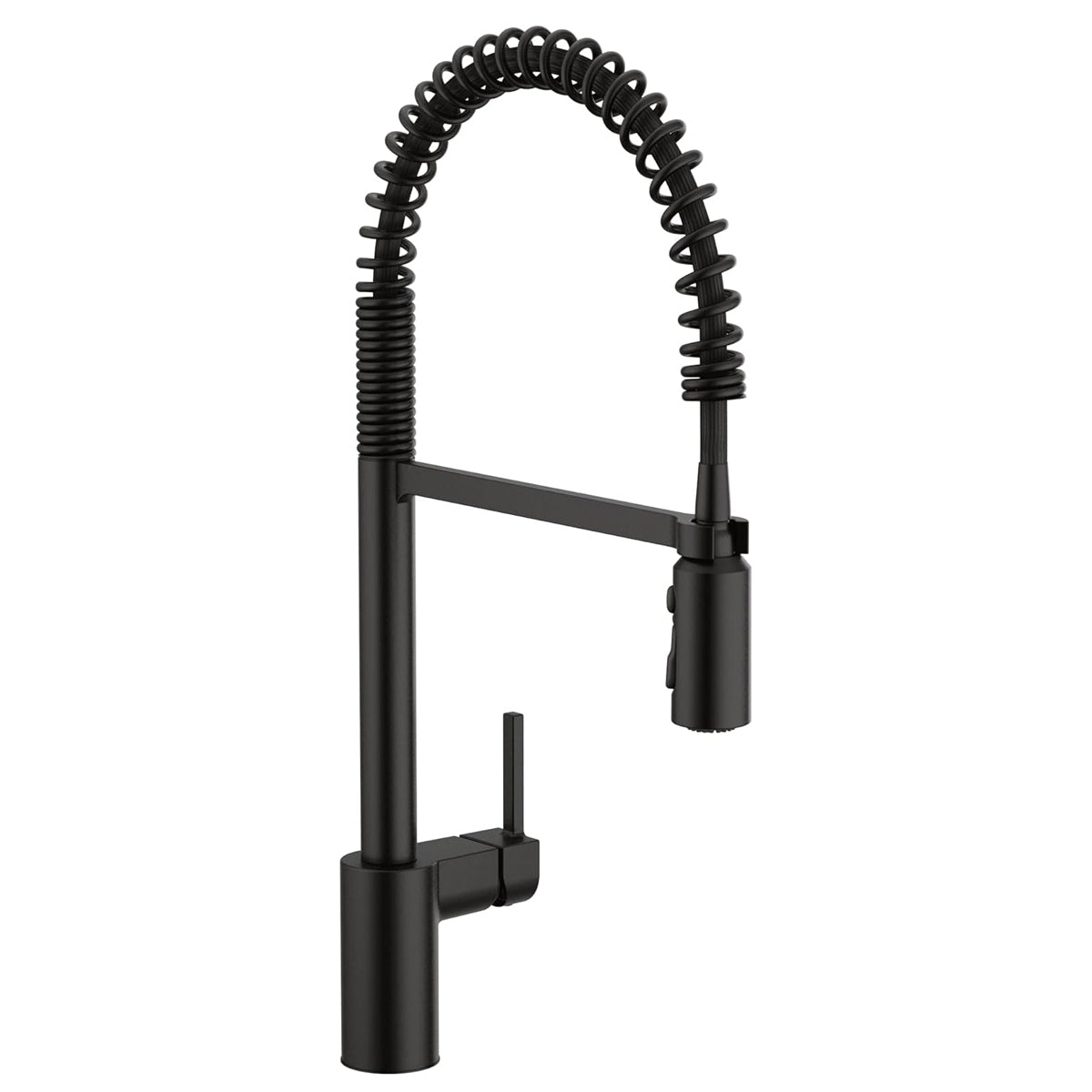
A curated list of five deck-mounted commercial kitchen sensor faucets suited for food preparation environments requiring hygiene compliance.
Sensor faucets reduce touchpoint contamination but don't inherently improve wash duration or thoroughness, limiting their true hygiene benefit.
A dripping sensor shower head is usually caused by solenoid seat failure, not a worn washer, requiring diagnosis of closing force or contamination.
A sensor faucet handle only sets temperature mix, so a freely turning handle with no water points to a solenoid or sensor fault.

Fixture-level submetering, not aggregate meters, is what actually reveals a drifting sensor or fatiguing solenoid in a restroom faucet.
This article explains why capacitive sensing survives vandalism better than infrared sensor faucets in high-abuse public restrooms.
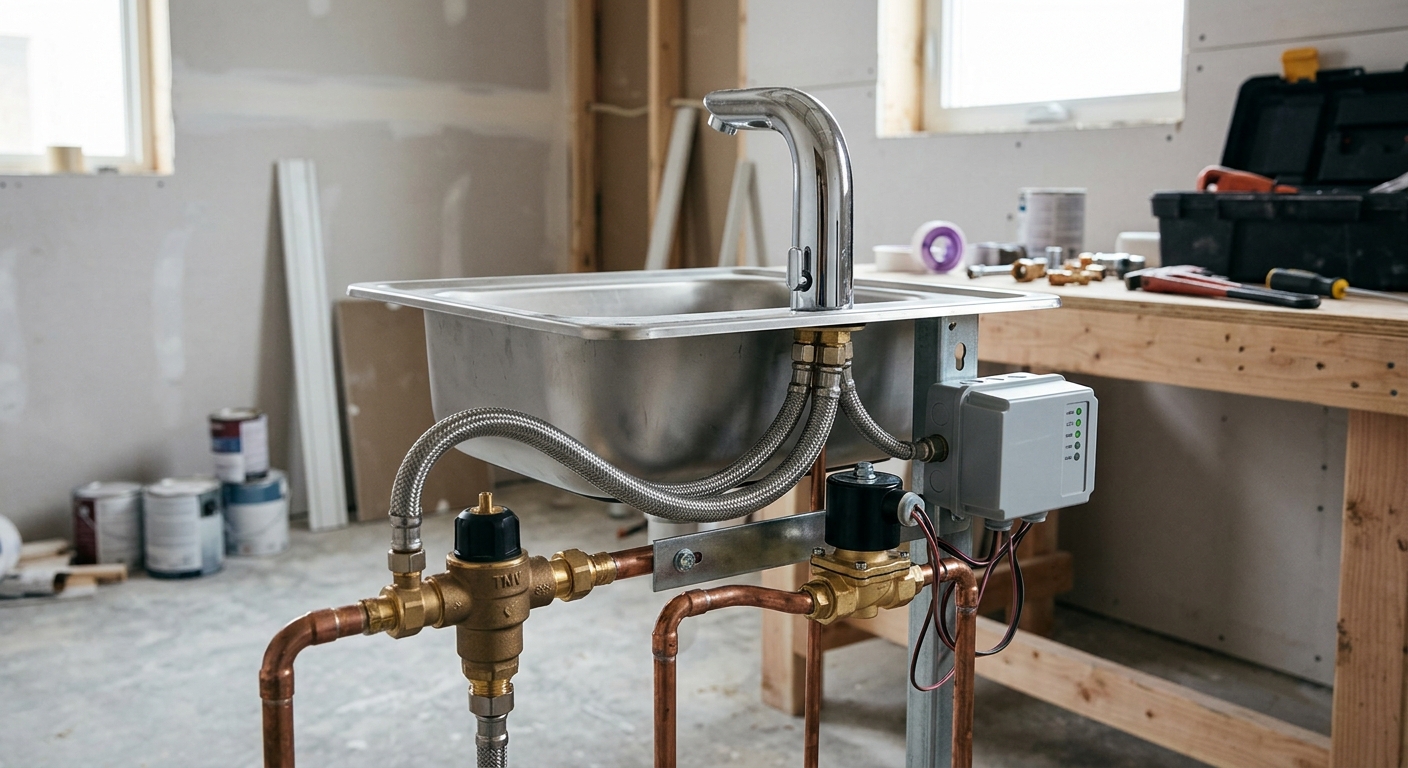
Sensor faucets can deliver a burst of cold water before the thermostatic mixing valve catches up to the solenoid's instant response.