

Battery and Power Management in Automatic Soap Dispensers
AEC Tech Notes • Updated Today
Battery and power management in automatic soap dispensers determines how reliably the unit operates, how often batteries require replacement, and how much maintenance a commercial facility requires. Selecting the right battery type or low-voltage power source, estimating activation demand, and planning service access can significantly reduce dispenser downtime.
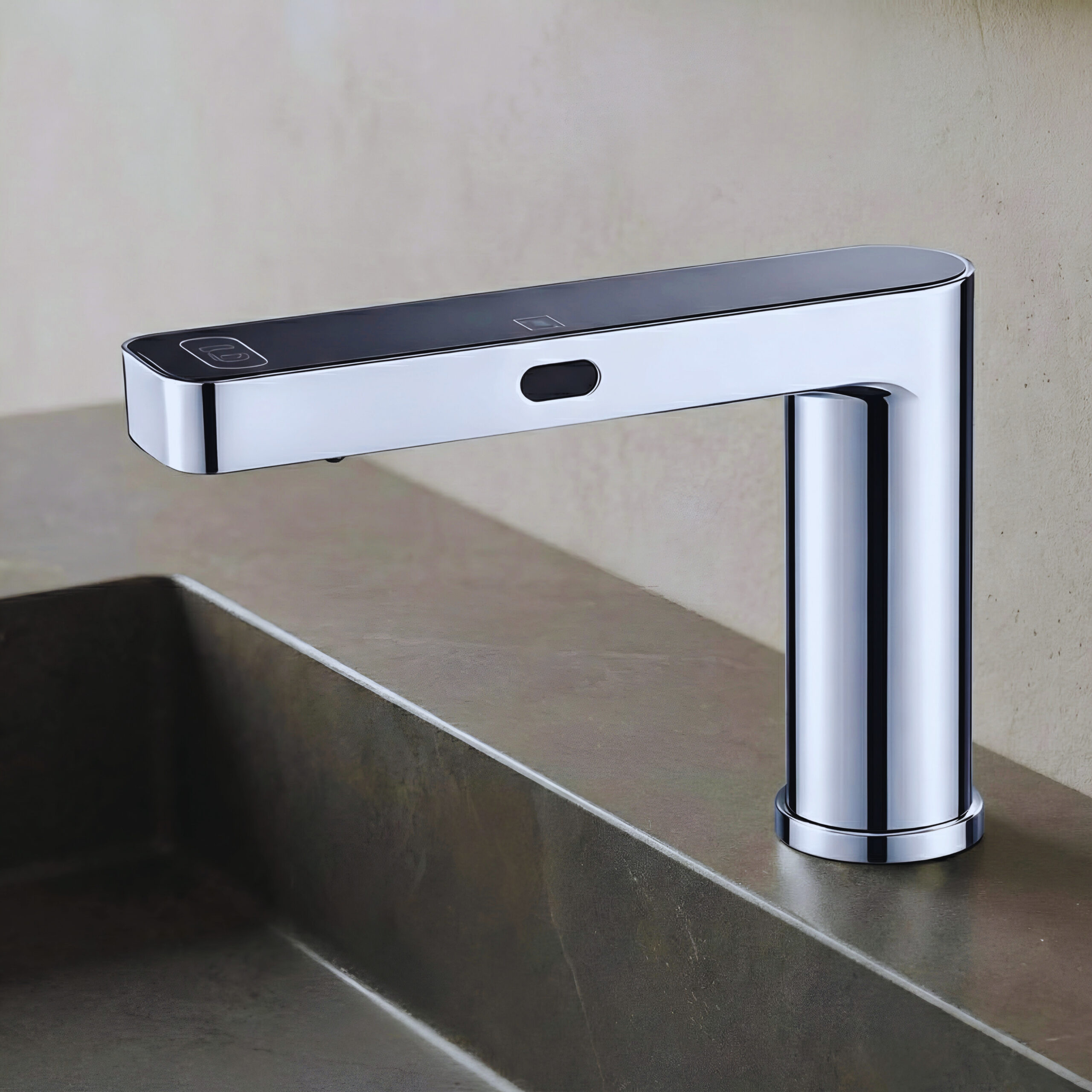
Battery and Power Management in Automatic Soap Dispensers
Although automatic dispensers consume little power, poor planning leads to outages and extra maintenance. Proper design minimizes downtime and operating cost while maintaining hygienic performance.
Power options overview
Alkaline batteries
Alkaline batteries (AA/AAA/C): Reliable and affordable, require periodic replacement.
Lithium and rechargeable packs
Cold-weather and scheduled service use
Lithium: Higher density and better cold-weather performance. Rechargeable packs: Ideal for facilities with scheduled maintenance.
Low-voltage wiring
Continuous power with access planning
Low-voltage wiring: Eliminates battery servicing but requires conduit and driver access.
Typical electrical profile
Standby: 20–80 µA
IR sampling: 2–10 mA (milliseconds)
Pump/solenoid: 250–900 mA for 0.3–1.2 s
Recommended supply: 3–6 V
Quick battery-life estimation
For high-traffic facilities, plan an annual battery service even if theoretical life is longer.
Best installation practices
These checkpoints help reduce nuisance activation, protect wiring, and keep automatic dispenser service predictable across commercial restrooms.
Smart controls that reduce consumption
Adaptive dosing, sleep mode, and low-battery control can reduce service interruptions while preserving the hands-free user experience.
Adaptive dosing
Adaptive dosing (min/max pump time)
Sleep mode
Sleep mode during off-hours
Low-battery operation
Auto-throttle on low battery to preserve operation
Product visuals for specification context
Commercial dispenser and touchless faucet examples shown for layout, finish coordination, deck-mounted planning, wall-mounted planning, and AEC restroom documentation.
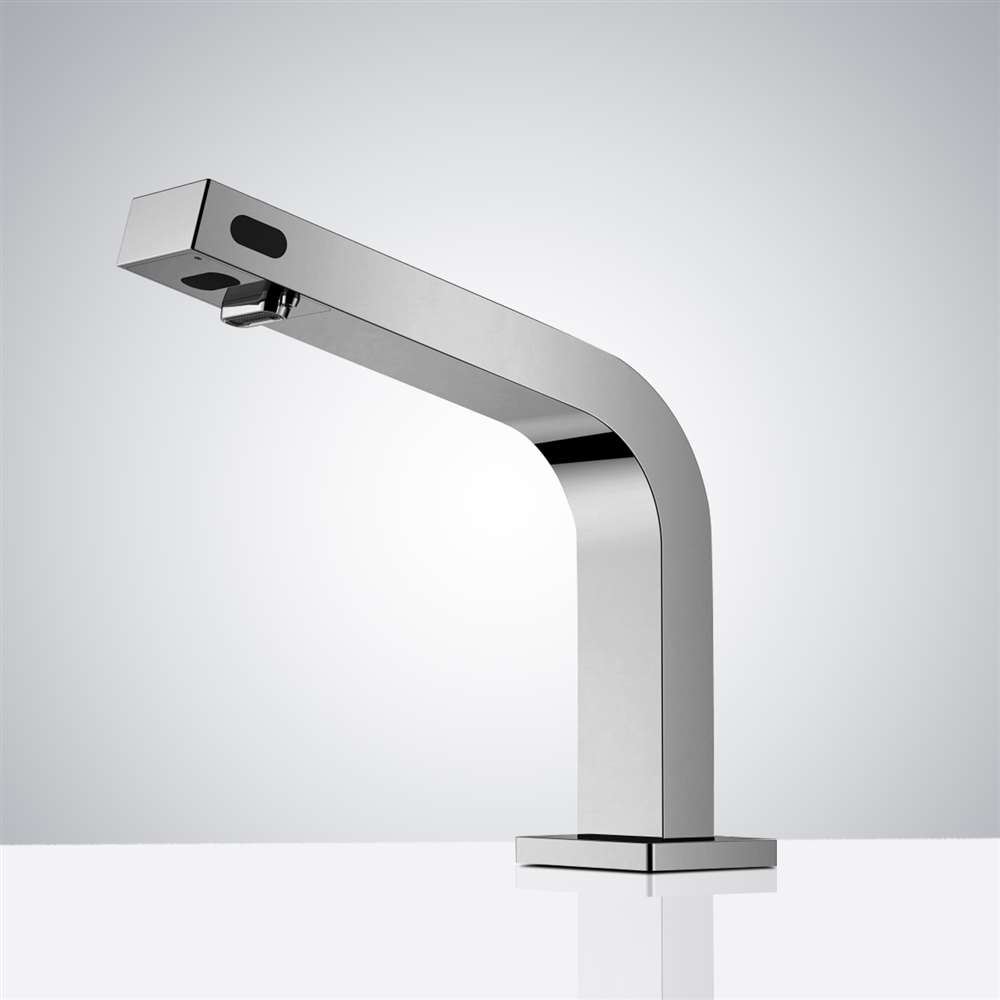
Chrome Faucet and Soap Set
Touchless faucet and dispenser pairing for coordinated commercial sink zones.
View model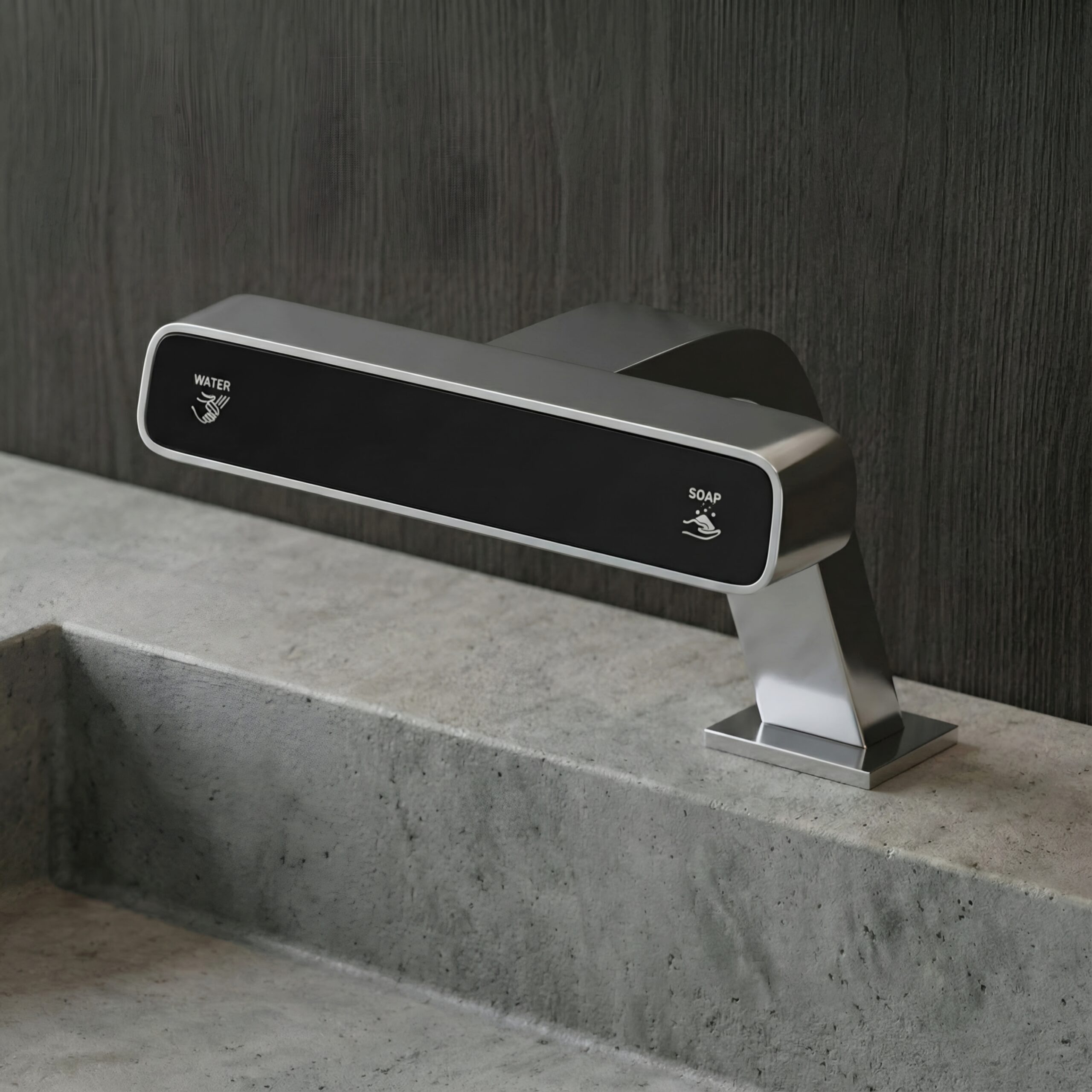
Sensor Pairing Profile
Compact fixture profile for sink deck coordination and sensor alignment review.
View model
Chrome Deck Dispenser
Deck-mounted automatic soap dispenser for public restroom maintenance planning.
View model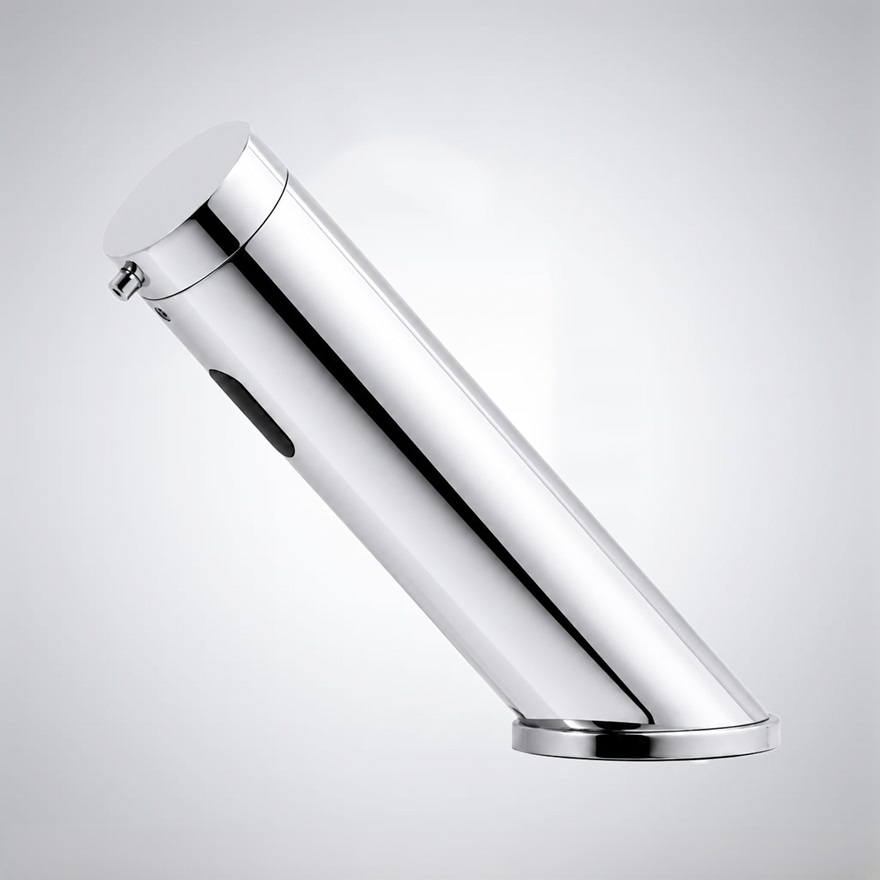
Commercial Soap Dispenser
Sensor dispenser layout reference for battery access and refill planning.
View model
Matte Black Dispenser
Finish option for hospitality and modern commercial restroom interiors.
View model
Rose Gold Dispenser
Premium finish reference for high-end hospitality restroom specifications.
View collection
Bronze Dispenser
Warm metallic finish option for coordinated commercial restroom design.
View collection
Gold Deck Dispenser
Touchless dispenser example for premium sink-area finish coordination.
View modelAll Articles
Topics on power, maintenance, specs, and hands-free design
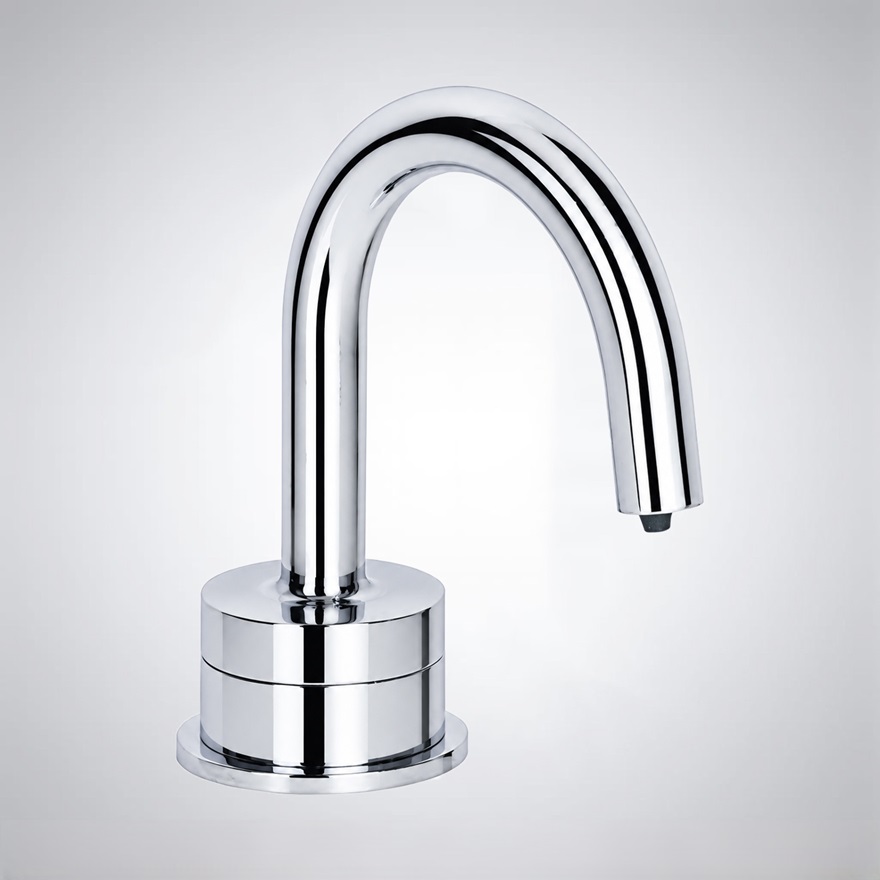
Battery and Power Management
Practical guide for estimating life, selecting power sources, and optimizing smart dispenser operation.

Touchless Faucets
FontanaShowers’ professional-grade touchless faucet lines for architects and engineers.
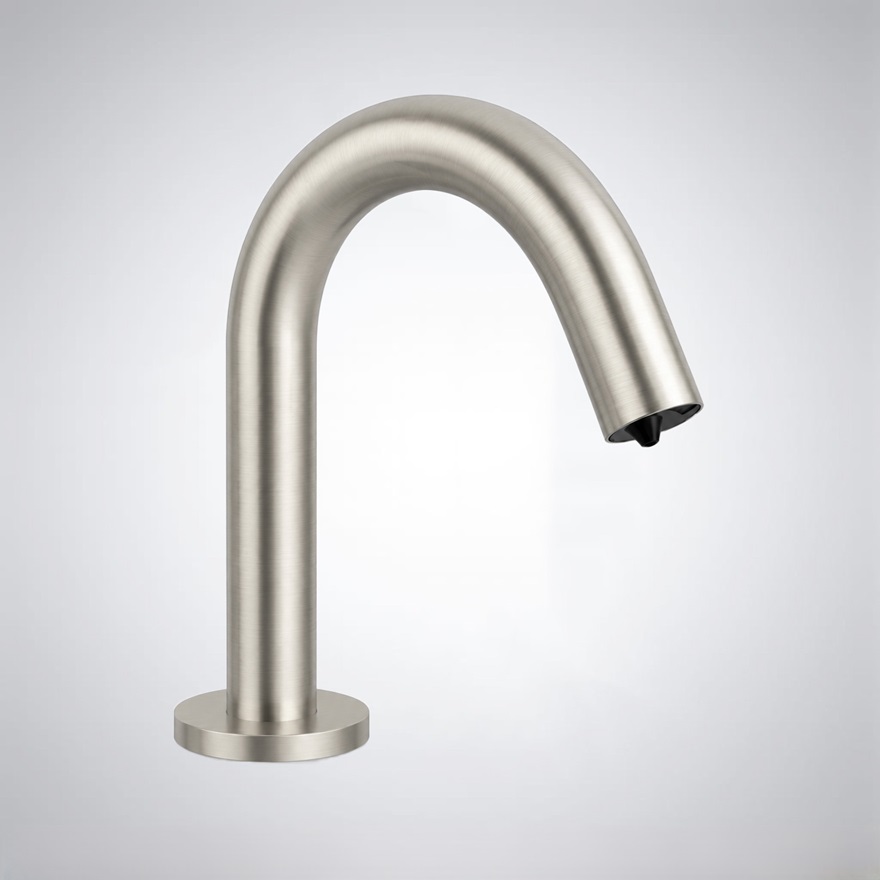
Automatic Soap Dispensers
Automatic hands-free dispensers for high-traffic commercial environments.

Auto Flush Valves
Hands-free, water-saving solutions for public toilets and urinals.

BathSelect Hospitality
Hands-free models with full specifications and mounting details for AEC projects.

Water & Energy Integration in Touchless Faucets
Upcoming note on balancing energy efficiency and performance in high-traffic projects.

Damon Kells is a staff writer and editorial team member at commercial-sensor-faucet.com. His coverage addresses commercial sensor faucets, control systems, power configurations, and facility applications, supported by manufacturer documentation, product specifications, published standards, and attributable industry sources for informed specification and operational decisions.